Spilsby Primary Academy
History
HISTORY CURRICULUM INTENT
“The more you know about the past, the better prepared you are for the future.”
Theodore Roosevelt
IMPLEMENTATION
- Teaching is progressive and builds skills and knowledge in a well thought out sequence created through Knowledge-rich projects.
- Visits to local historically significant places.
- Visits from historical specialists.
- Through our teaching of British Values.
The fundamentals
- Enabling children to understand their place in world.
- Developing the knowledge and understanding of the chronology of Britain and the world.
- Understanding the historical significance of the locality.
- To understand how historical events still impact them today in the modern world.
Y4 have been creating our own sources of historical evidence based on our learning in our Invasion project. We loved using our imagination and creativity to make different sources from letters, to pictures of artefacts and maps.


3T have learnt about Celtic warriors. We looked at a presentation and then read a piece of text. We then had to draw what we thought they would have looked like!


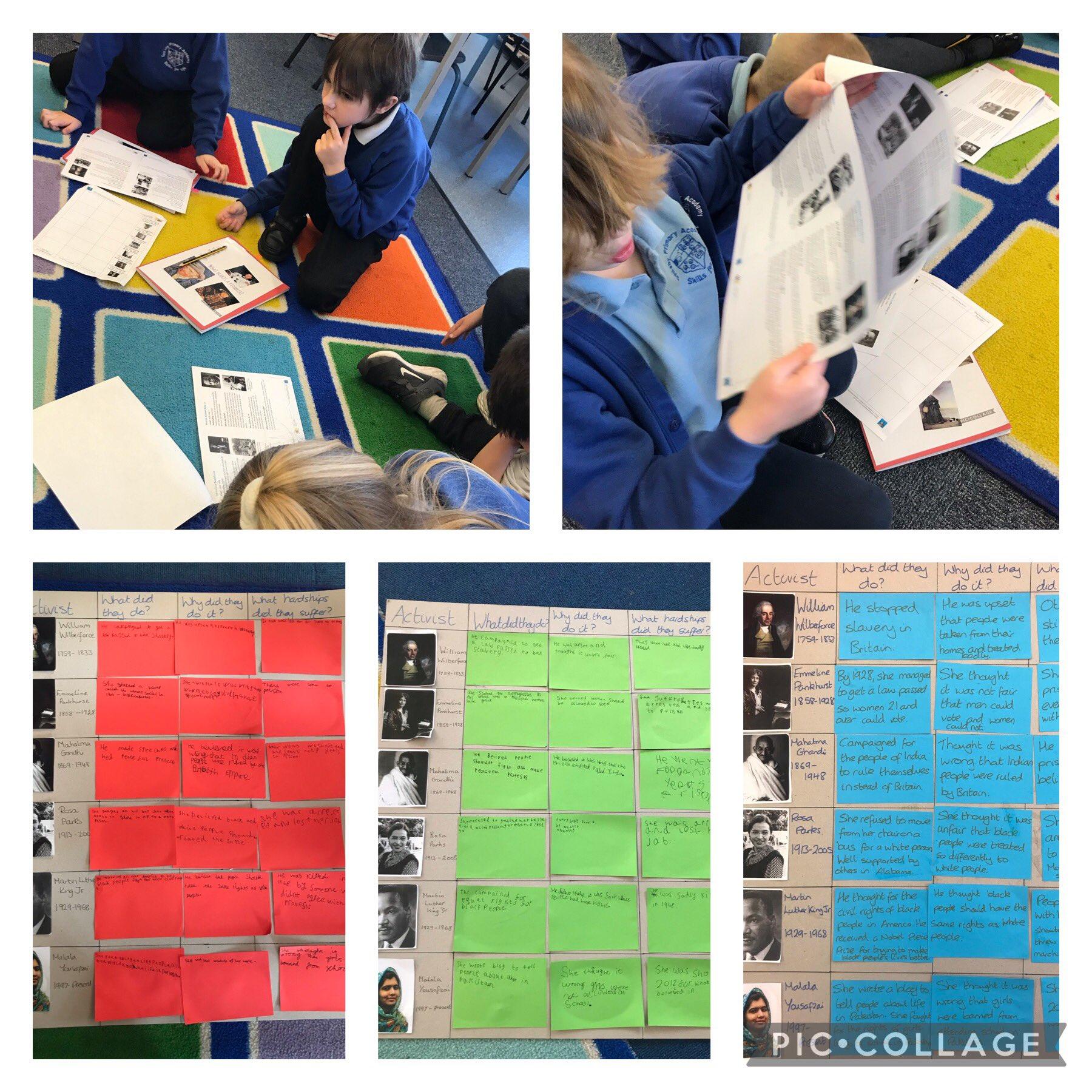
Year 2 learnt that categories for sorting significant people include explorers, activists, monarchs, scientists and artists. The children then used this knowledge to sort a number of significant historical people such as Henry VIII, Rosa Parks, Neil Armstrong, Vincent Van Gough and Mary Anning.


Y5 explored how broze was used during the Shang dynasty and created posters on the information they had found out.


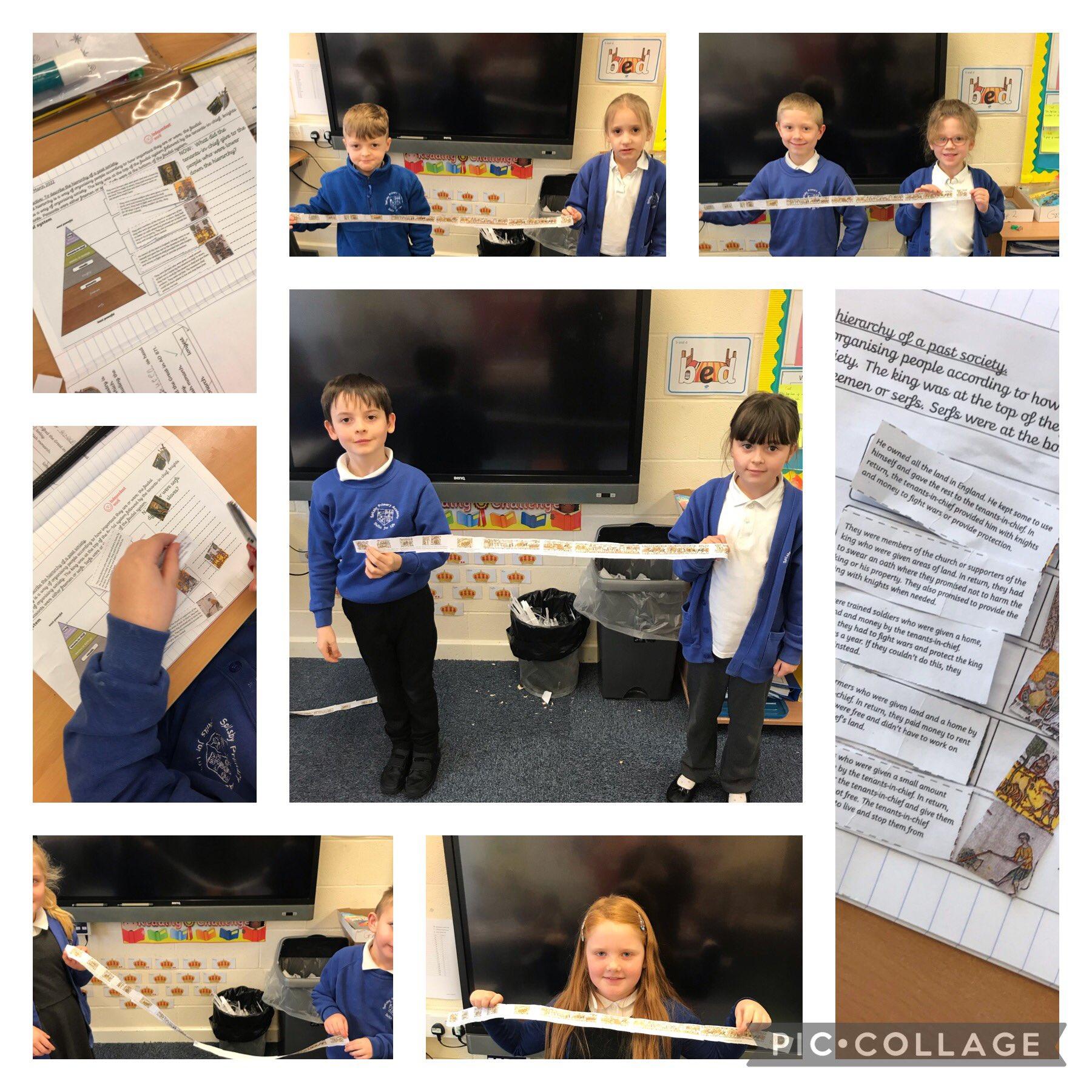
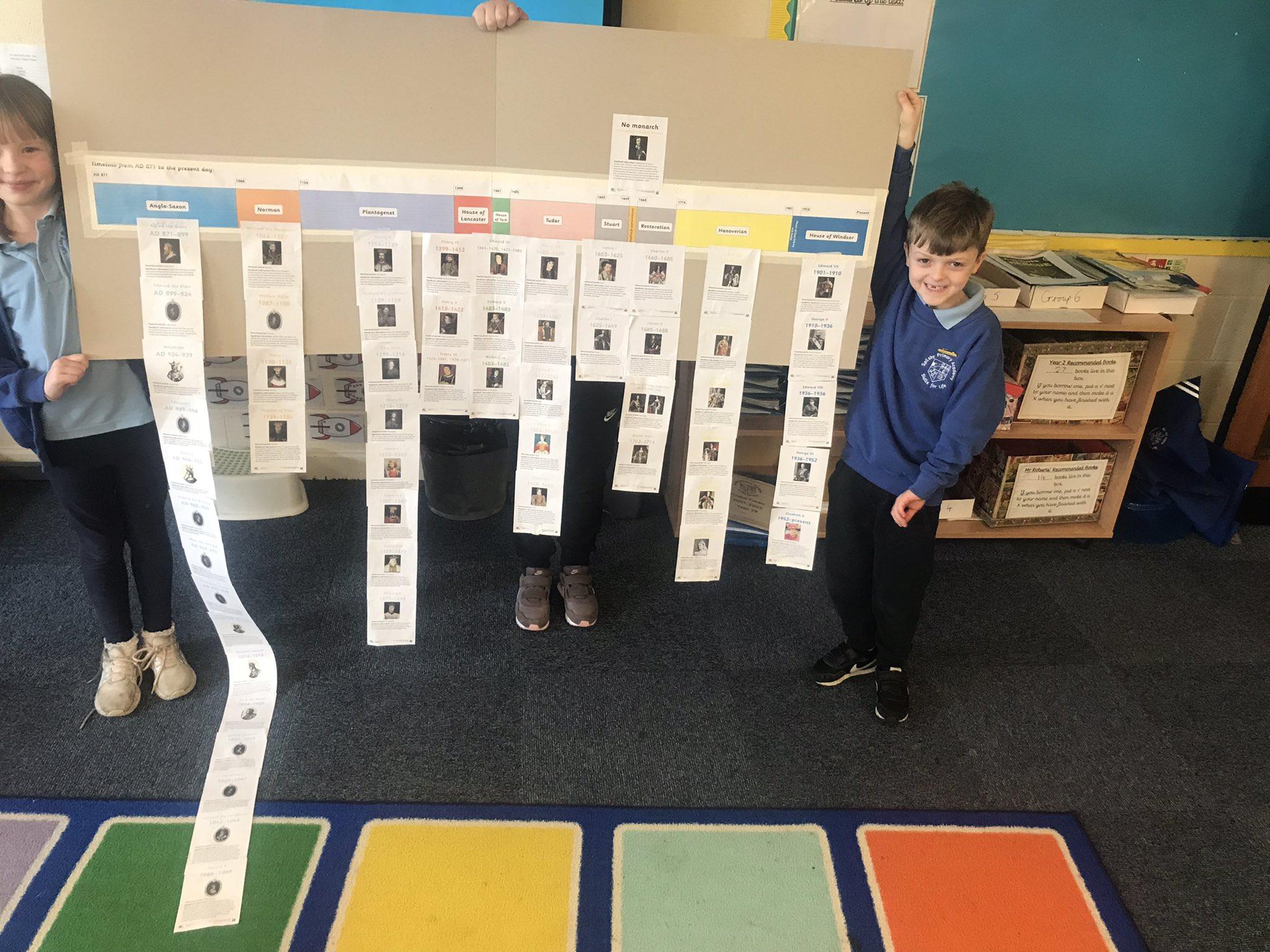
Year 1 created a timeline to display six significant sovereigns in chronological order. We also learnt that historical periods include Anglo-Saxon, Norman, Plantagenet, House of Lancaster, House of York, Tudor, Stuart, Restoration, Hanoverian, House of Saxe-Coburg and Gotha and House of Windsor.


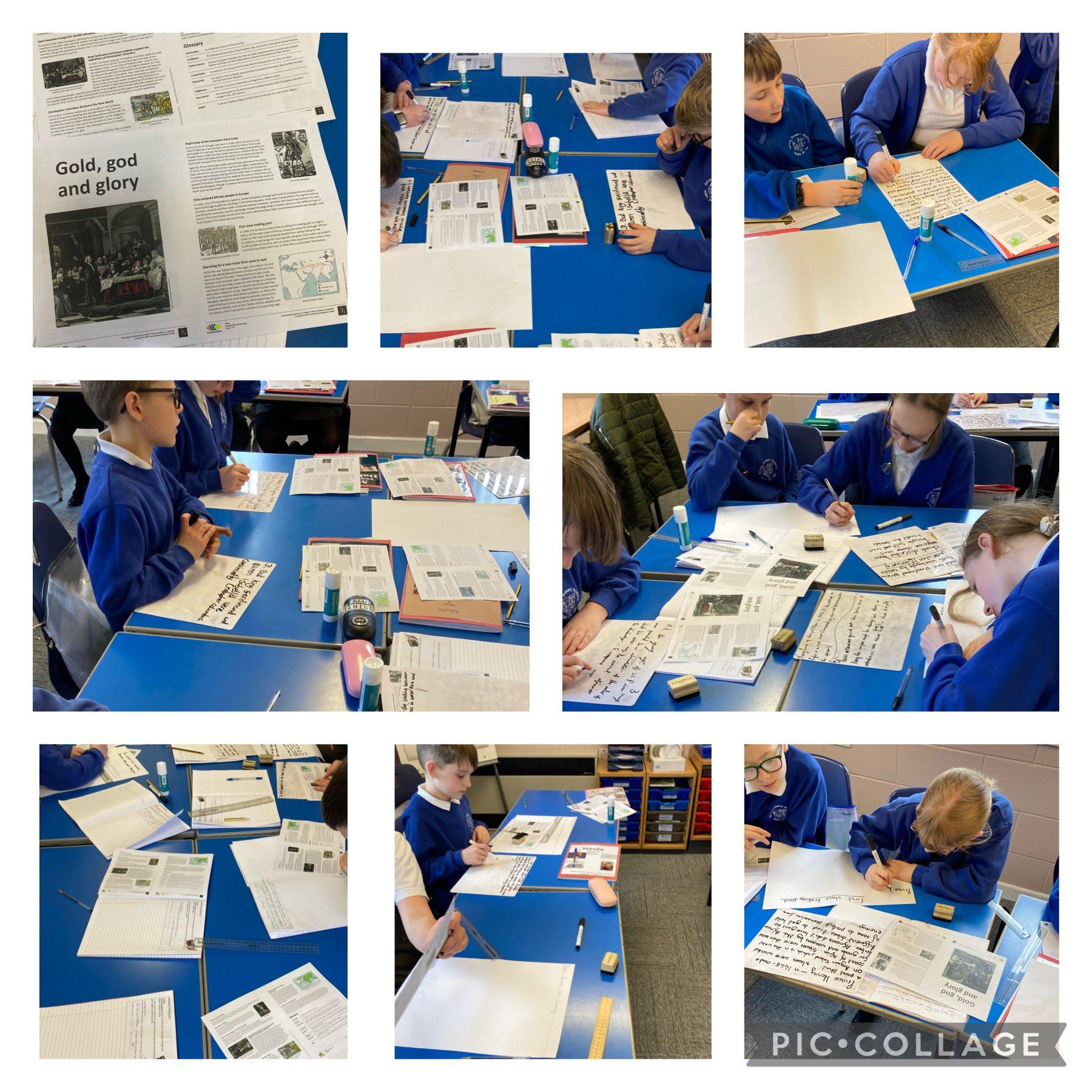
Year 2 worked in groups to create some factual posters all about Royal Residences around the United Kingdom. They included castles used by monarchs hundreds of years ago to current palaces where the Queen and the Royal family reside.


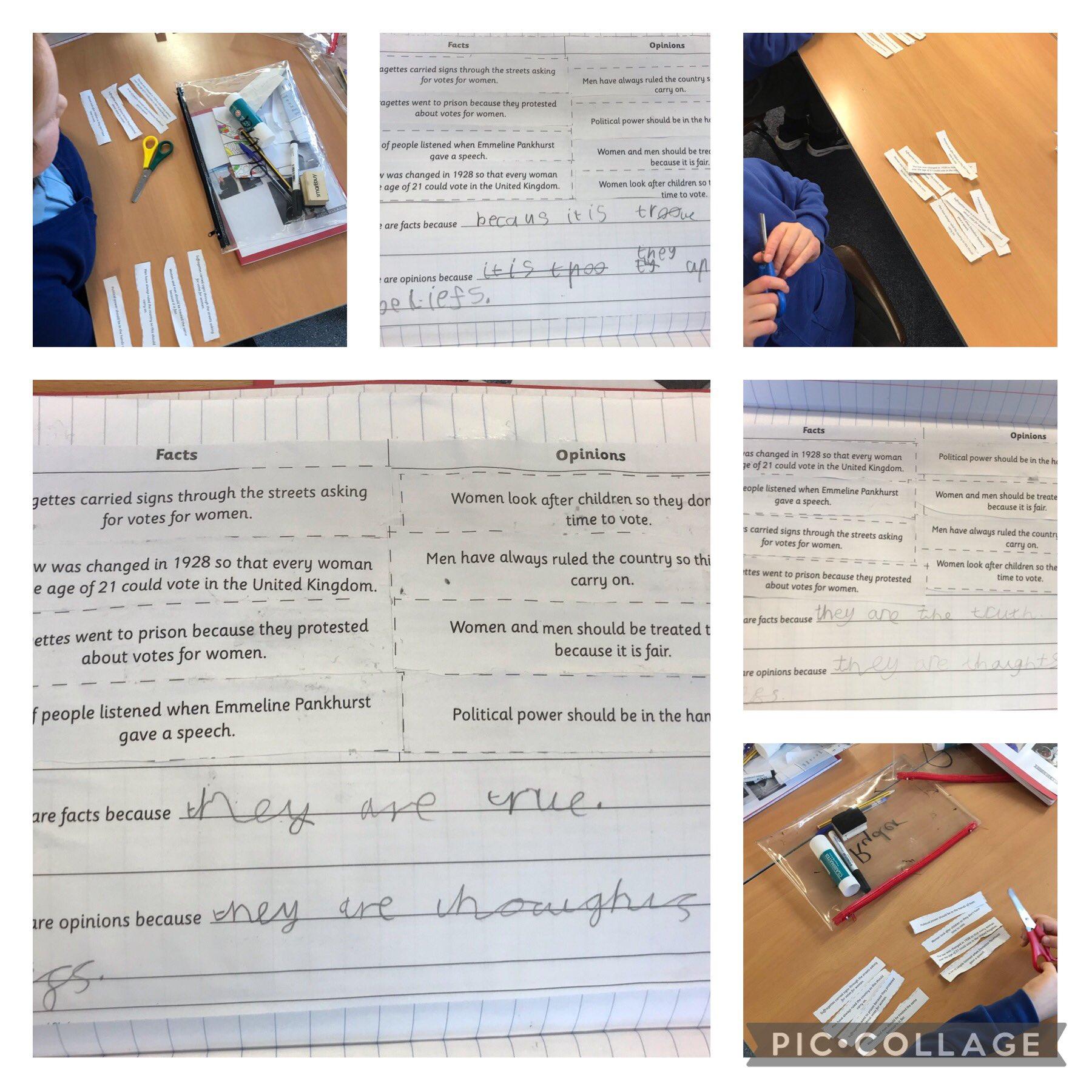
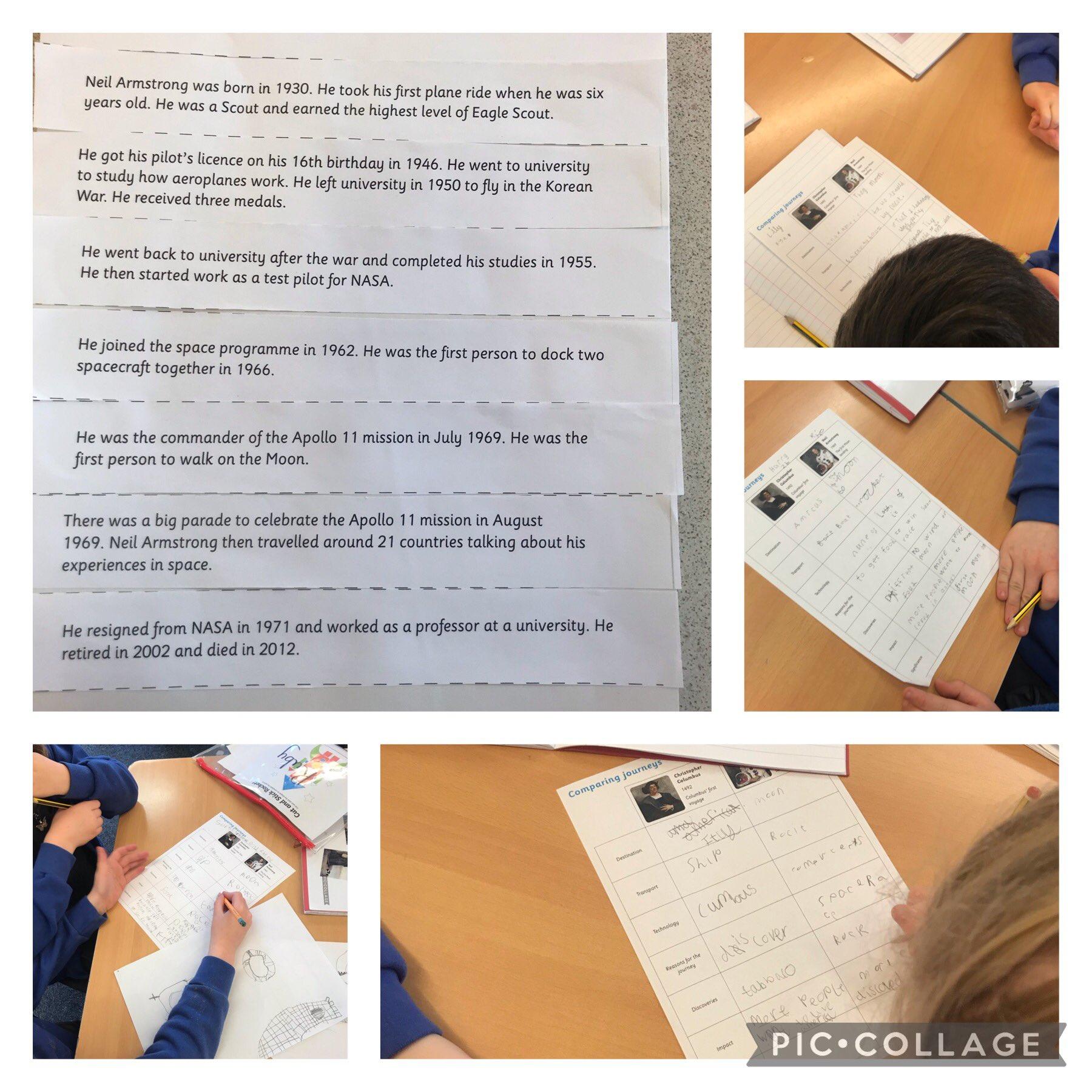
In History, Year 3 have looked at Sumerian inventions. They worked in groups to match the description to the picture card and then we discussed how this helped the civilisation develop.


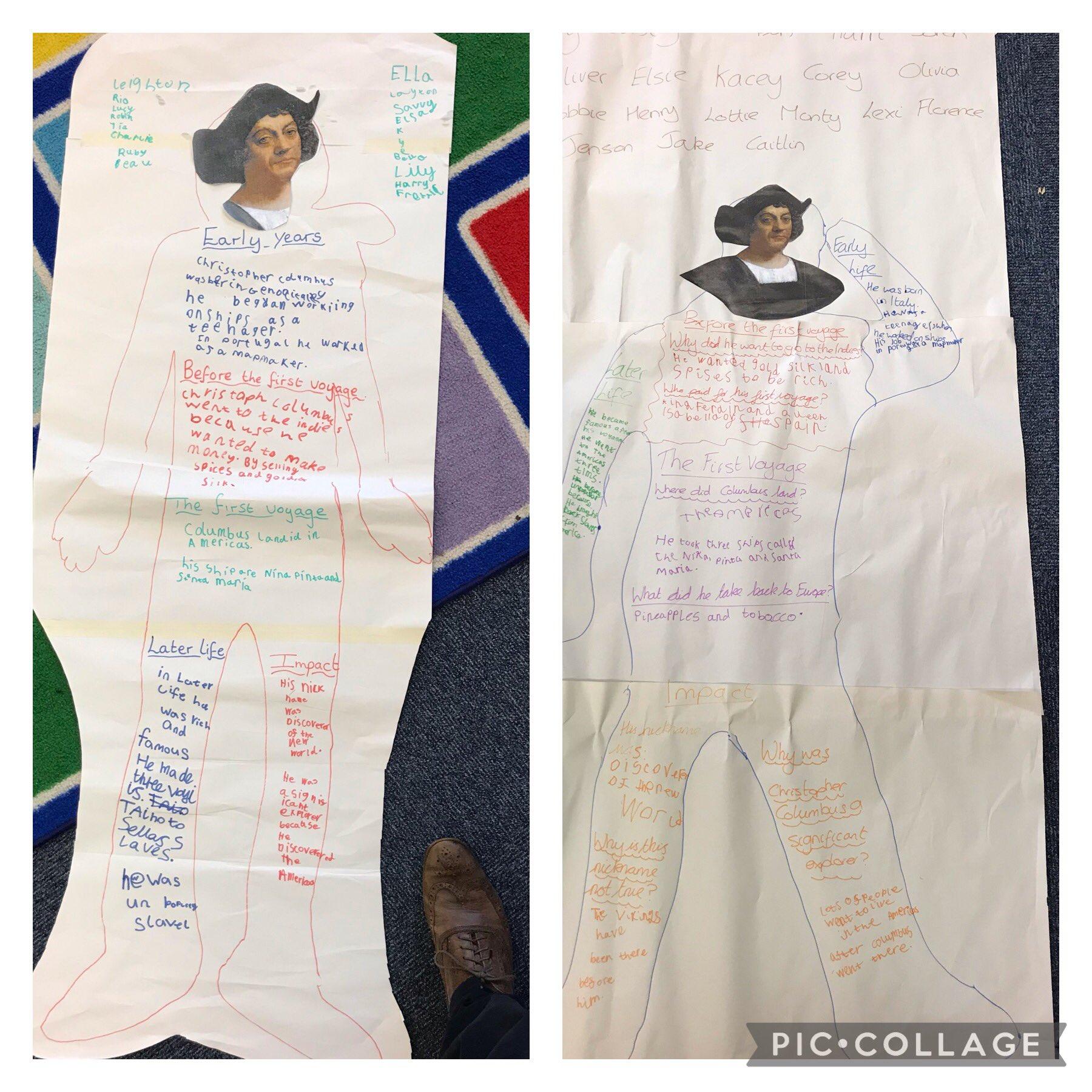
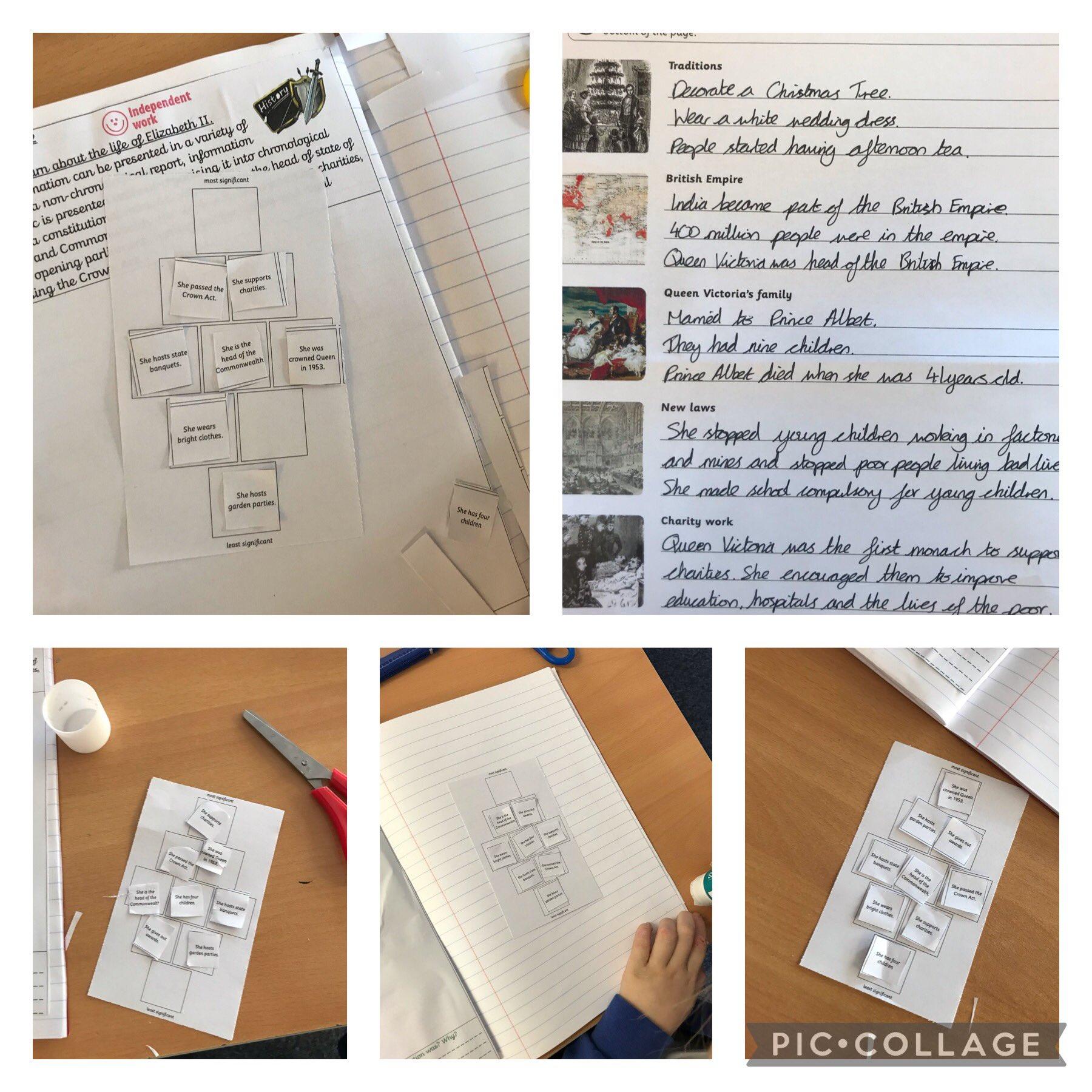
Year 2 created timelines of significant historical figures and used a diamond ranking to order them from most to least significant. They had to justify their choices using evidence from research!


Year 3 and 4's amazing re-enactment of Roman battle formations this afternoon. We used the scutums (shields) we have created to protect ourselves from attack.


Year 5 are acting out the process of mummification. We considered the process from the ancient Egyptians.


Year 5 have been studying artefacts that were found in Tutankhamun's tomb.


Year 6 have researched different Egyptian Gods, sketched their image and used hieroglyphs to write their title and what they represent.


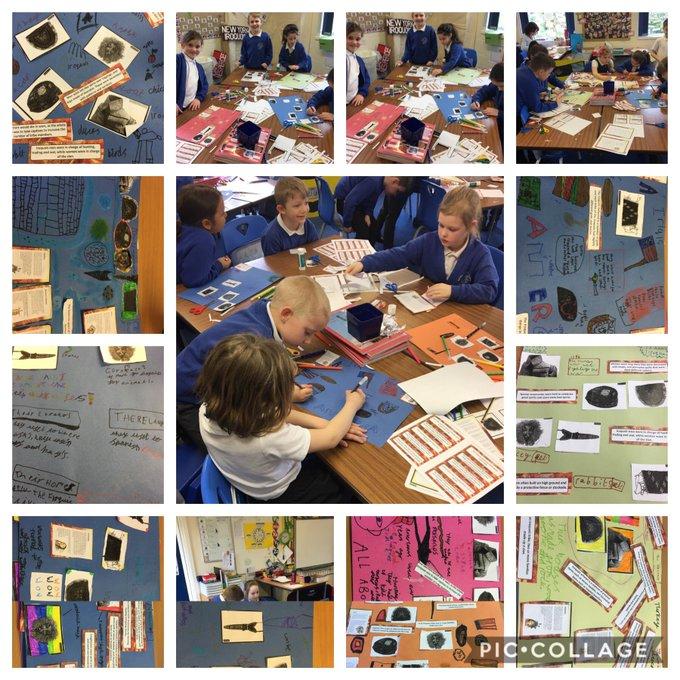
Year 6 have worked collaboratively to create a research report on the Maya Civilisation.


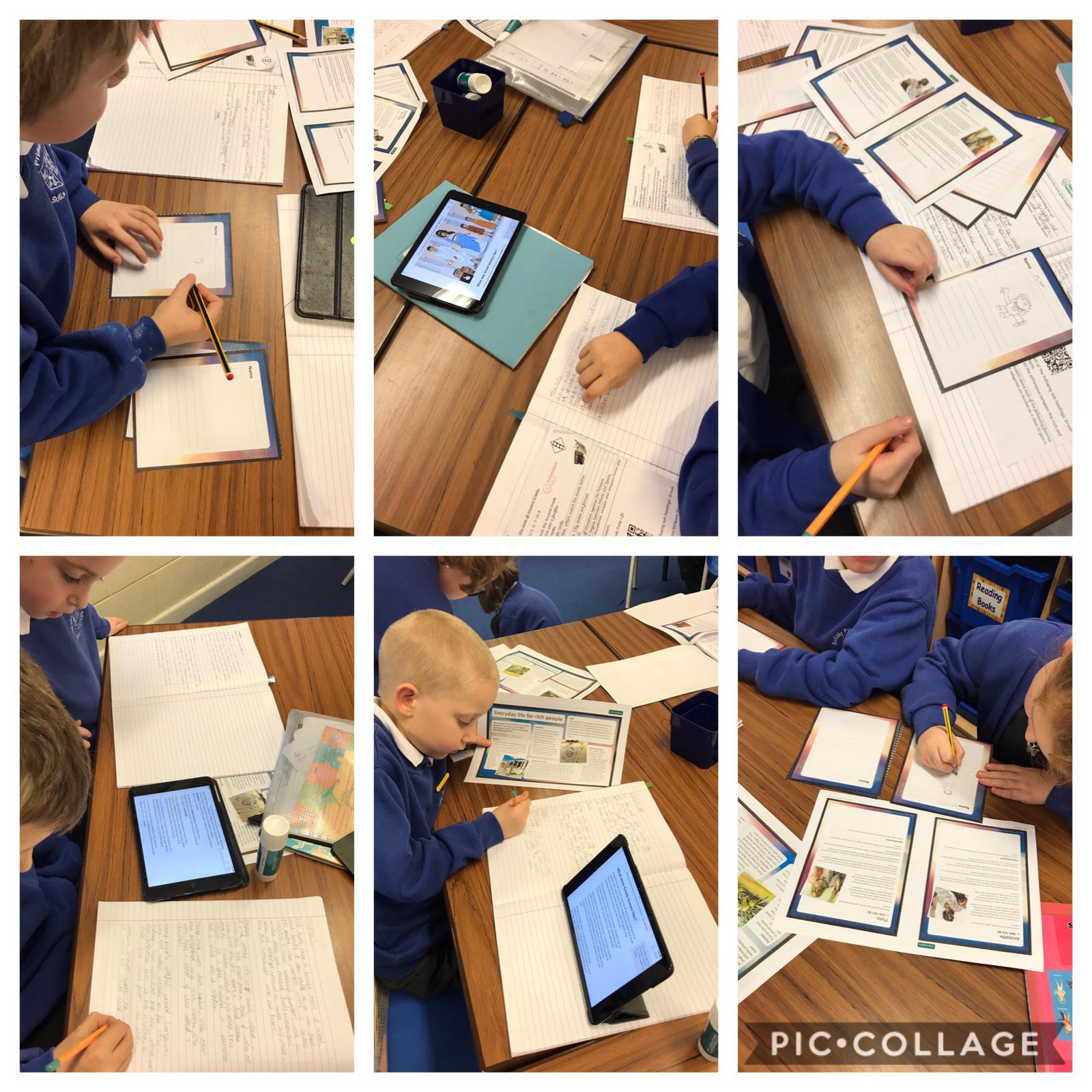
Year 3 and 4 spent the afternoon diving into the Greek's rich history, dating all the way back to 1600BC. We made 'snake timelines' to show the most important events over a 1500year time span. ��������


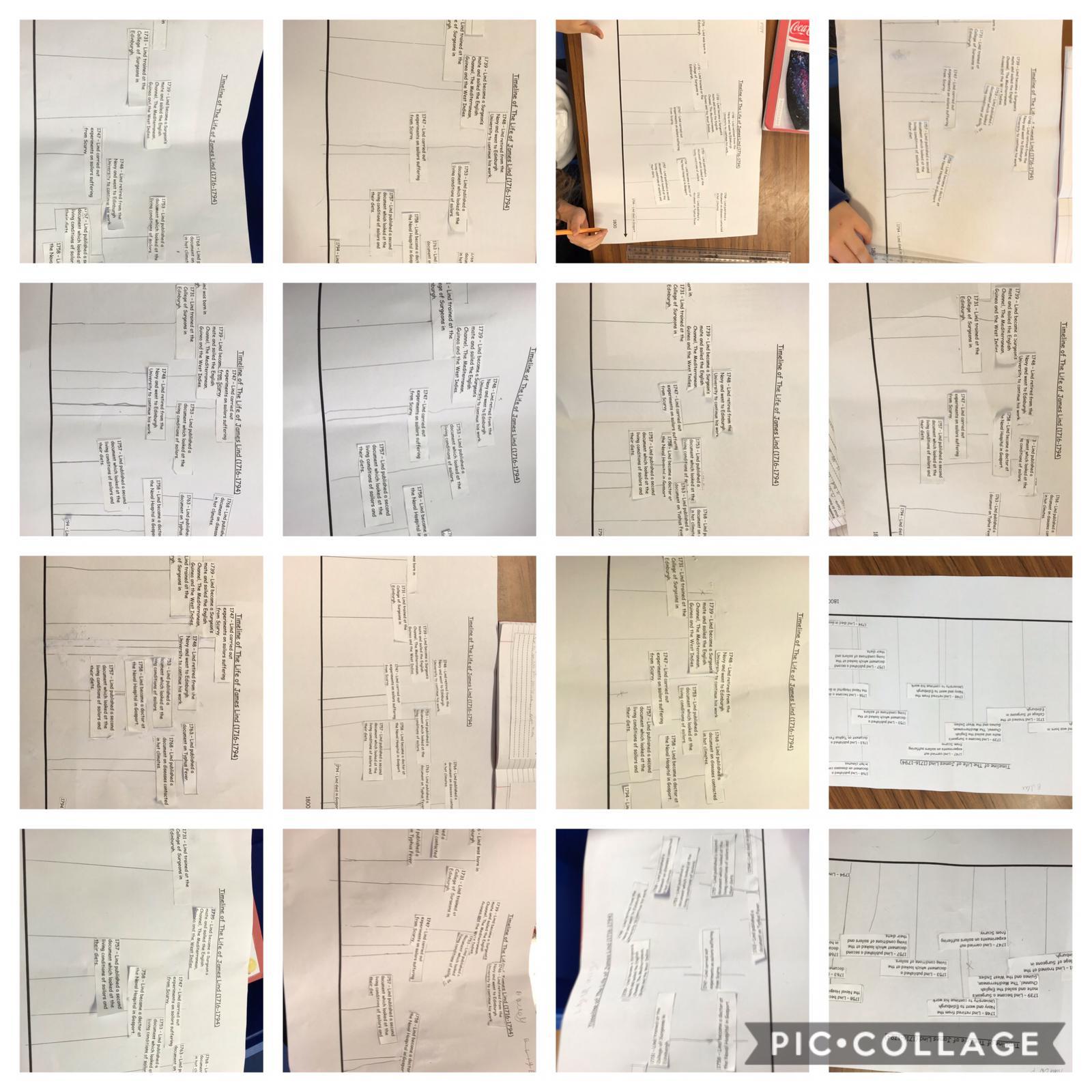
Year 5 have been busy creating timelines to show the story of Anne Frank. They have been so moved by her story - this week has been so thought-provoking and humbling.


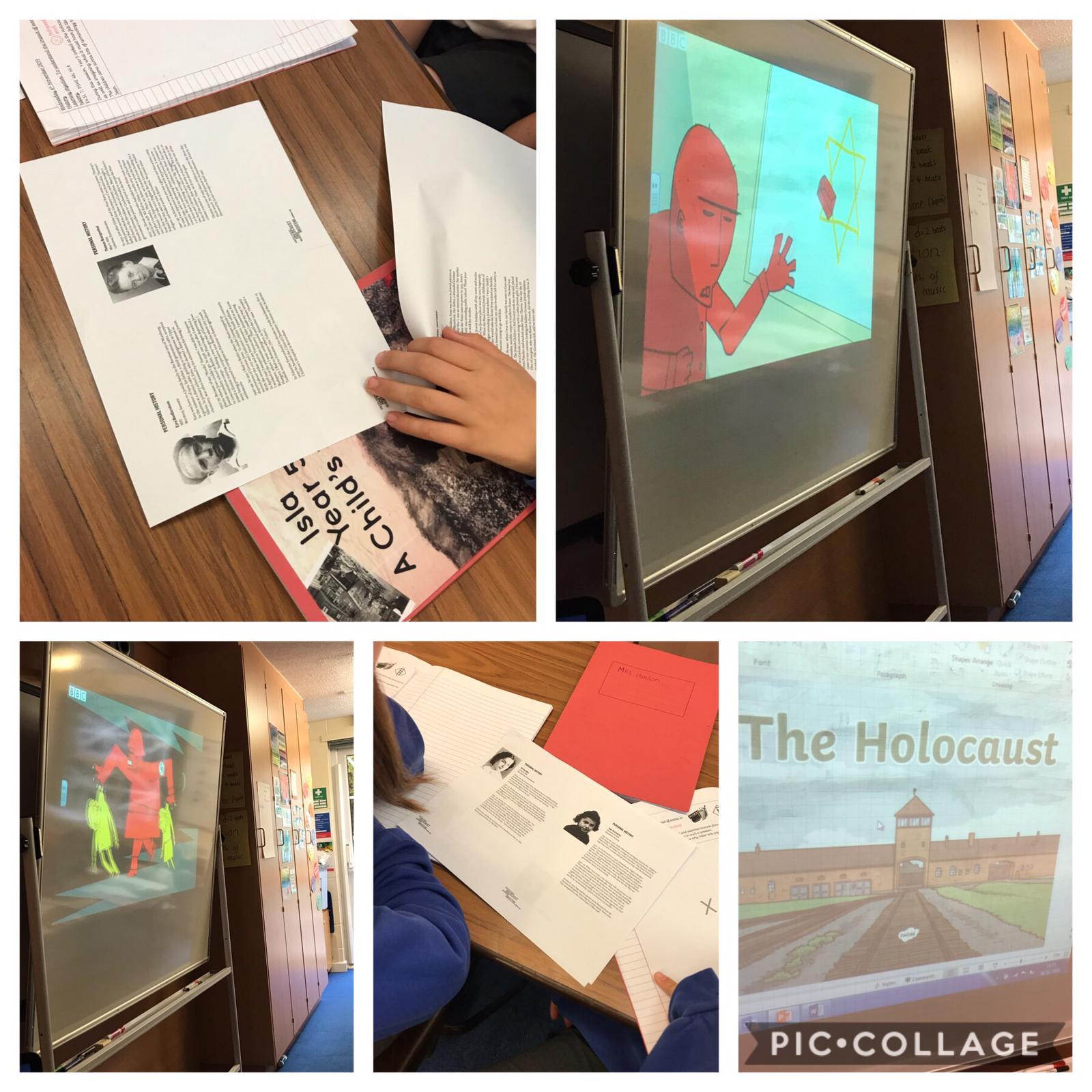
Year 5 worked really hard this afternoon in History, studying some of the key events from World War 2. They chose an event and then worked collaboratively to create a class timeline!


Year 6 have been working collaboratively to order events during World War 2 and create their own timeline.


As part of their memorable experience, Year 5/6 watched a World War 2 evacuee telling their experience of being evacuated to help plan their evacuee letter home. They even took part in yard drills, marching and good old-fashioned games!


Year 6 have been researching Galileo Galilei to create their own chronological report. They thought very carefully about the decisions made and the impact that the Galileo had.