Spilsby Primary Academy
Science
SCIENCE CURRICULUM INTENT
““Science knows no country, because knowledge belongs to humanity, and is the torch which illuminates the world.”
Louis Pasteur
At Spilsby Primary Academy, our aim is for our pupils to show a strong understanding of the world around them whilst teaching specific skills and knowledge to think scientifically. They will understand scientific processes and see how science links to them now and in the future and embrace curiosity, having the confidence to self-challenge to gain a deeper understanding of scientific knowledge
IMPLEMENTATION
- Working scientifically, skills are built up progressively and developed through year groups.
- Key scientific knowledge is acquired and built upon progressively through well-sequenced Cornerstones topics. Science is taught in-line with the National Curriculum and arranged into topic blocks which link to themed learning where appropriate.
- Key questions are used at the start and end of new topics to capture children’s understanding of key knowledge and vocabulary.
- Concept cartoons are used at the start of each new topic.
The fundamentals
- To foster a love of science which allows and encourages children to be curious about the world around them.
- Children to understand that science impacts the world around them continuously.
- To understand that science investigations have to be fair in order to be accurate.
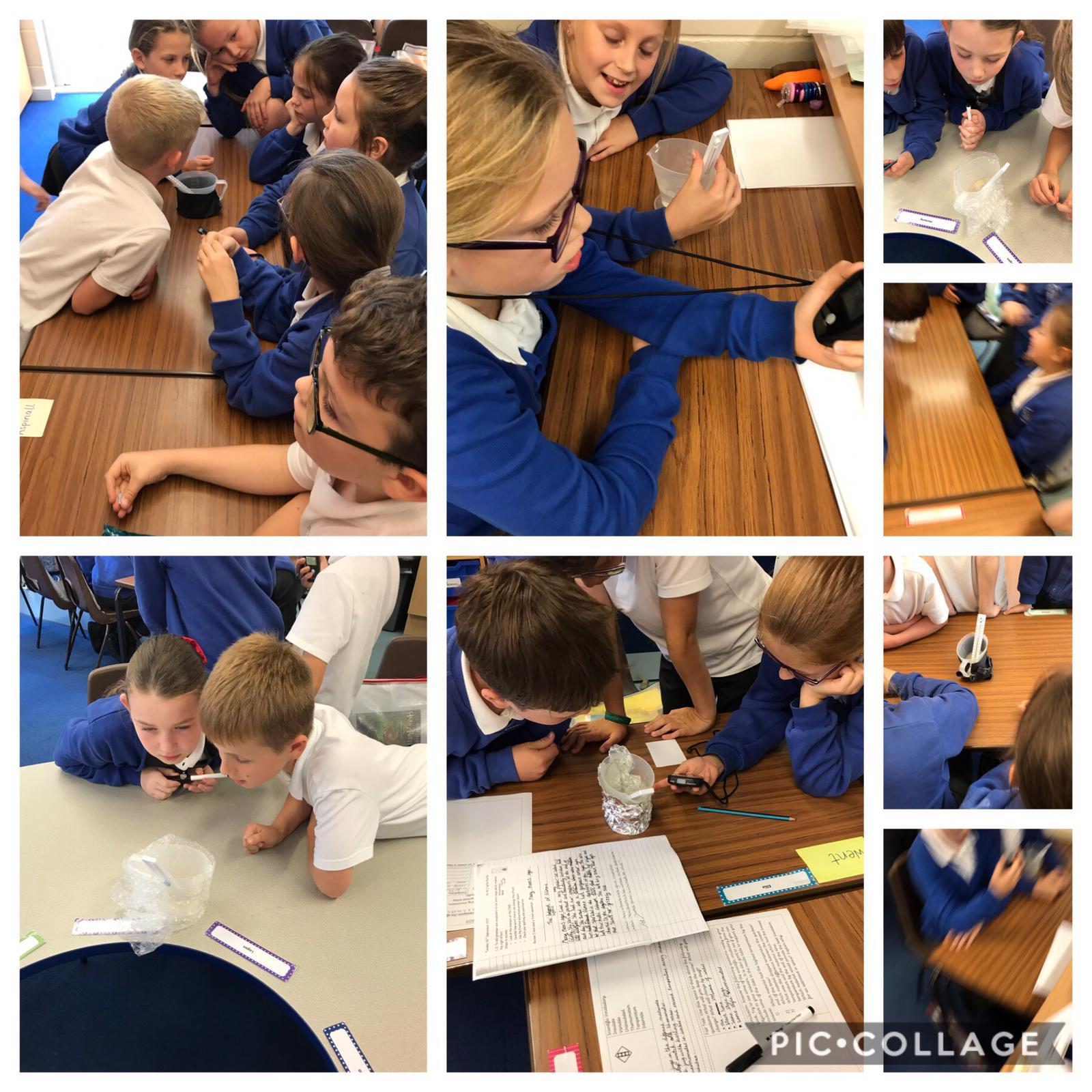
Y4 have investigated what happens to a sound when you move further away from the sound source. Great scientific thinking and fair test skills shown.


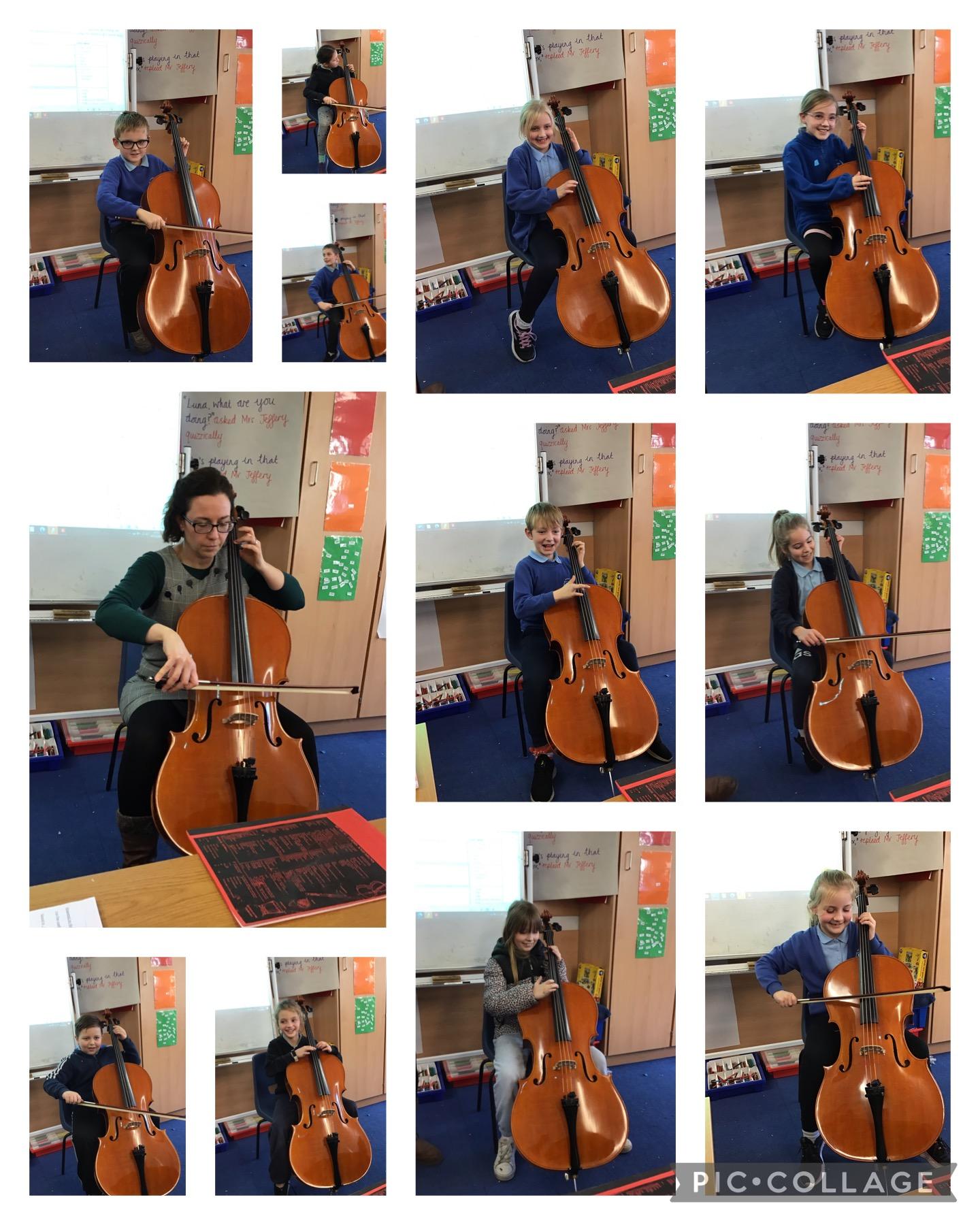
3T looked at the human skeleton. They learnt about the bones in the body and where they are and then labelled the skeleton as a class before using their knowledge to label their own.


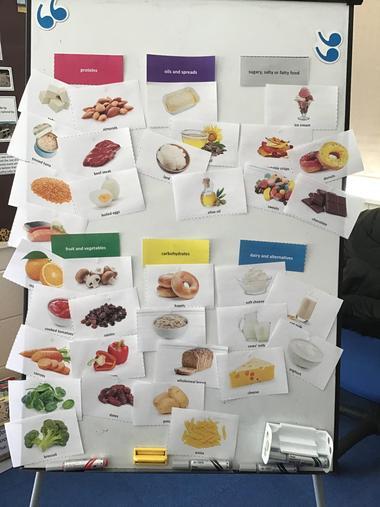
A fantastic discussion today in year 2. To assess the children's prior understanding of humans being living things and a type of animal called a mammal that grows and changes and has senses and body parts with specific functions the children had to decide in pairs whether the facts were true or false. By the end of the discussion the children learnt lots of new knowledge including that humans are living things.


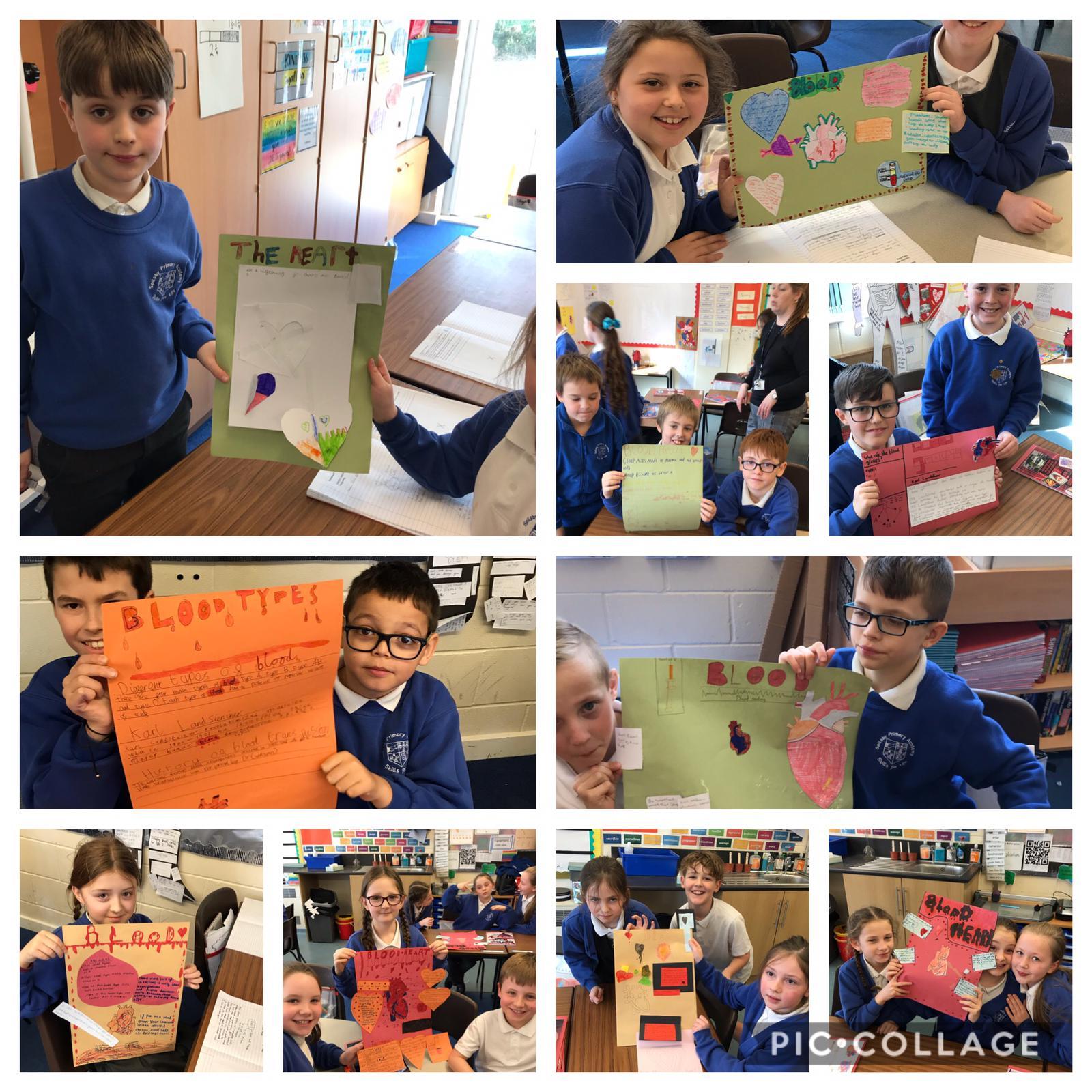
Y6 investigations began with looking at the heart, its structure and function. The children learned how the blood flows in one direction, moving through the different chambers on the right side of the heart, to head towards the lungs and collect oxygen. Following this, the children then took part in a sheep heart dissection: to identify the different internal features.


Year 6 began their Science companion project with a 'show what you know' activity. The children then watched a video, which explained each bodily system and how it works to support the body. The children learned that each bodily system fits one or more of the 7 life processes.


An amazing Science experiment in year 2, using glitter and vaseline. The children used this experiment to learn all about germs and how they spread directly and indirectly


A fantastic discussion today in science for Y2! Using their knowledge of humans to debate a number of facts. But they all agreed we are all different and unique.


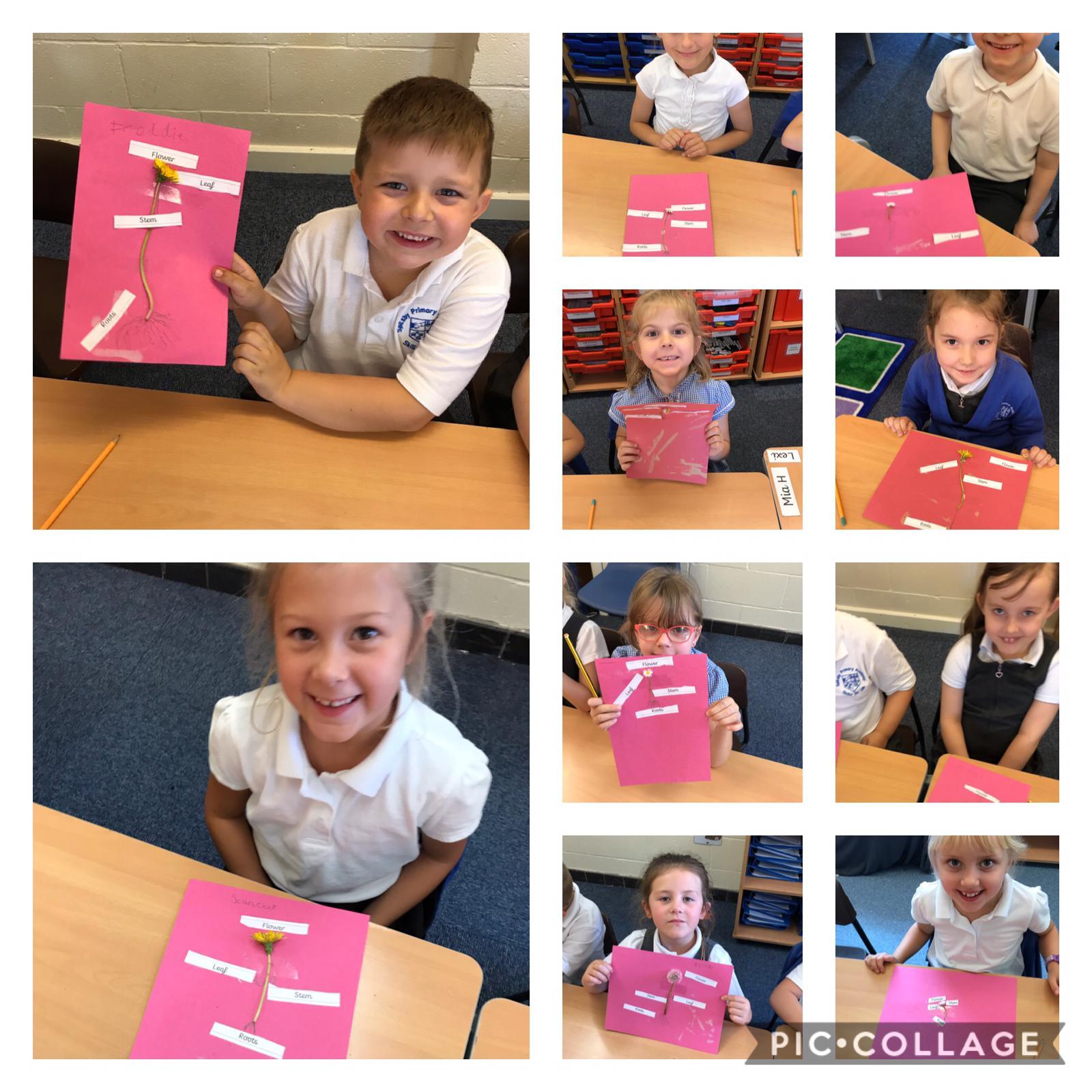
Year 3&4 have been identifying parts of a flower today. We drew a labelled diagram and then we used it to help us identify the parts while dissecting a flower. Another wonderful, hands-on science lesson which we loved!


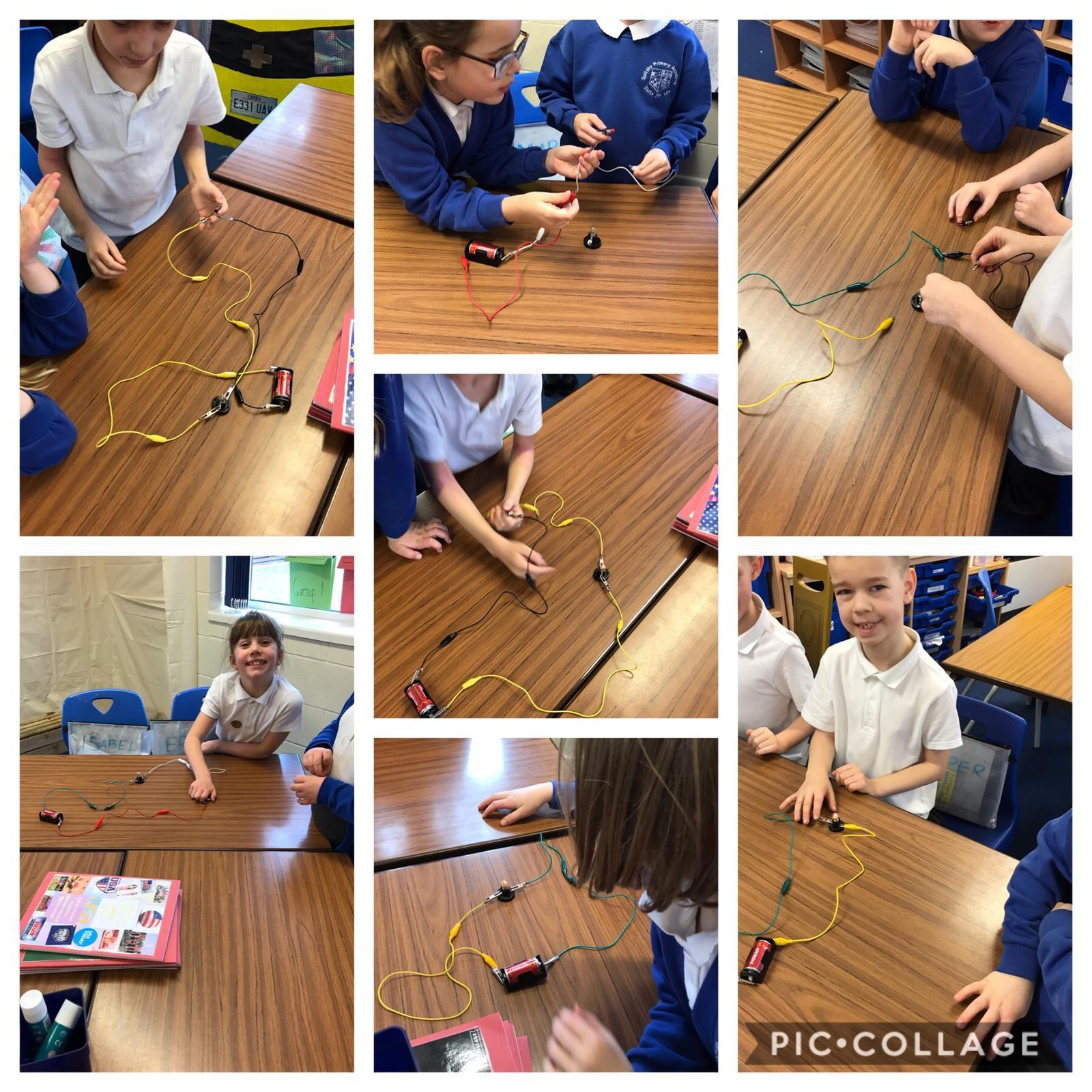
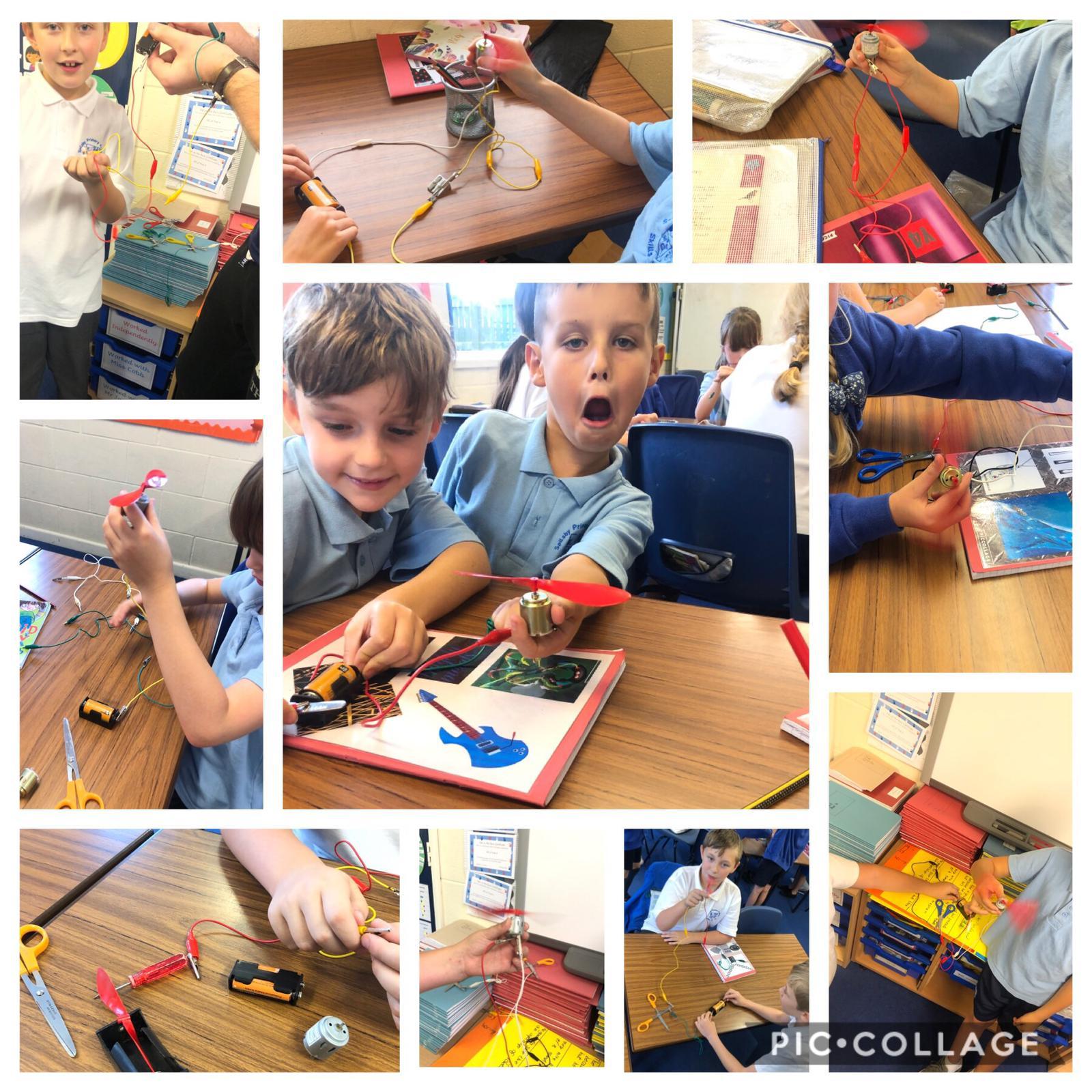
Making simple circuits in Year 3.


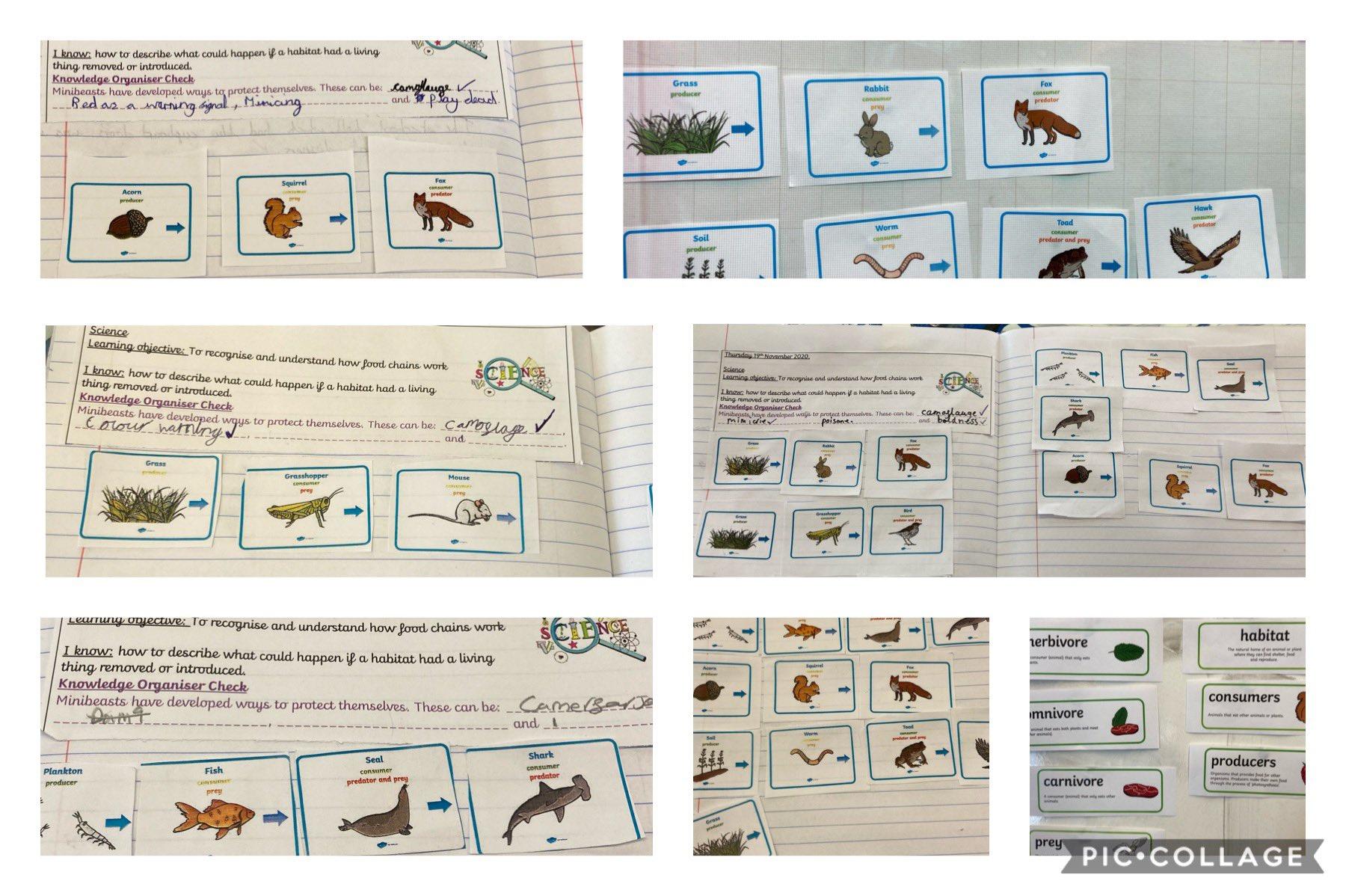
Y5 have been learning about food webs. They created their own food chains and understood how animals rely on plants and other animals to get their food.


Our year 3 children using Newton meters to measure the force of magnets.


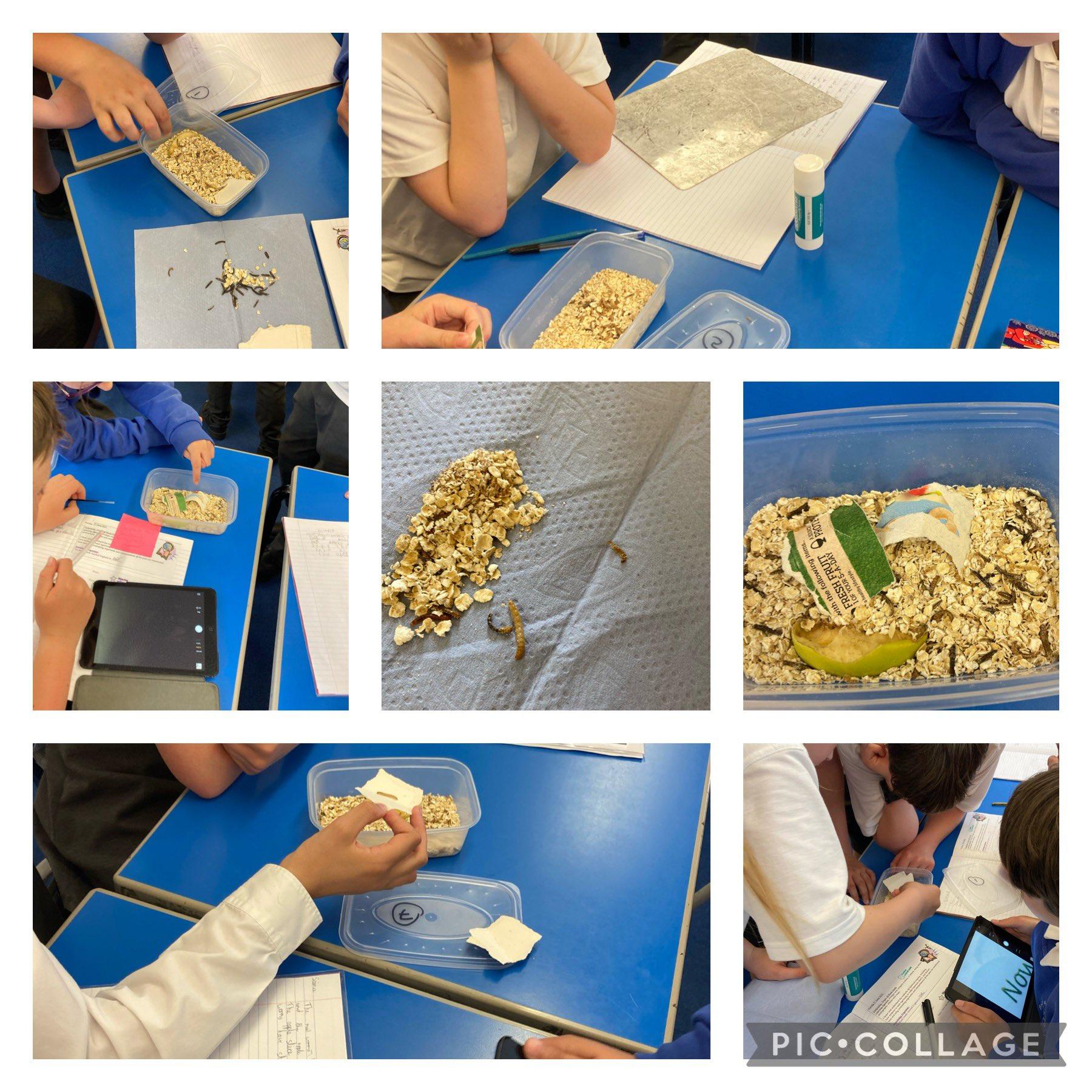
Year 1 worked together to set up a wormy in the classroom. We will be observing the worms closely to see how they burrow in the soil.


Year 1 investigated which fruits butterflies prefer to eat. We made a range of butterfly foods, using ripe fruit mixed with water and sugar. We placed the fruit in a shallow bowl in a sunny area that butterflies typically visit. In addition, we constructed a food chain to show what animals eat butterflies.


Year 3 using the outdoor equipment to investigate friction


Investigating air resistance in year 3.


During our session with Mr Carlton, year 2 focused on the technology aspect of British Science Week. We used the WeDo Lego app to construct a vehicle and then control it with the app.


The theme this year for British Science Week is 'Growth'. In Year 1 we made our own seed bombs. We talk about how plants spread their seeds and what they need to grow.


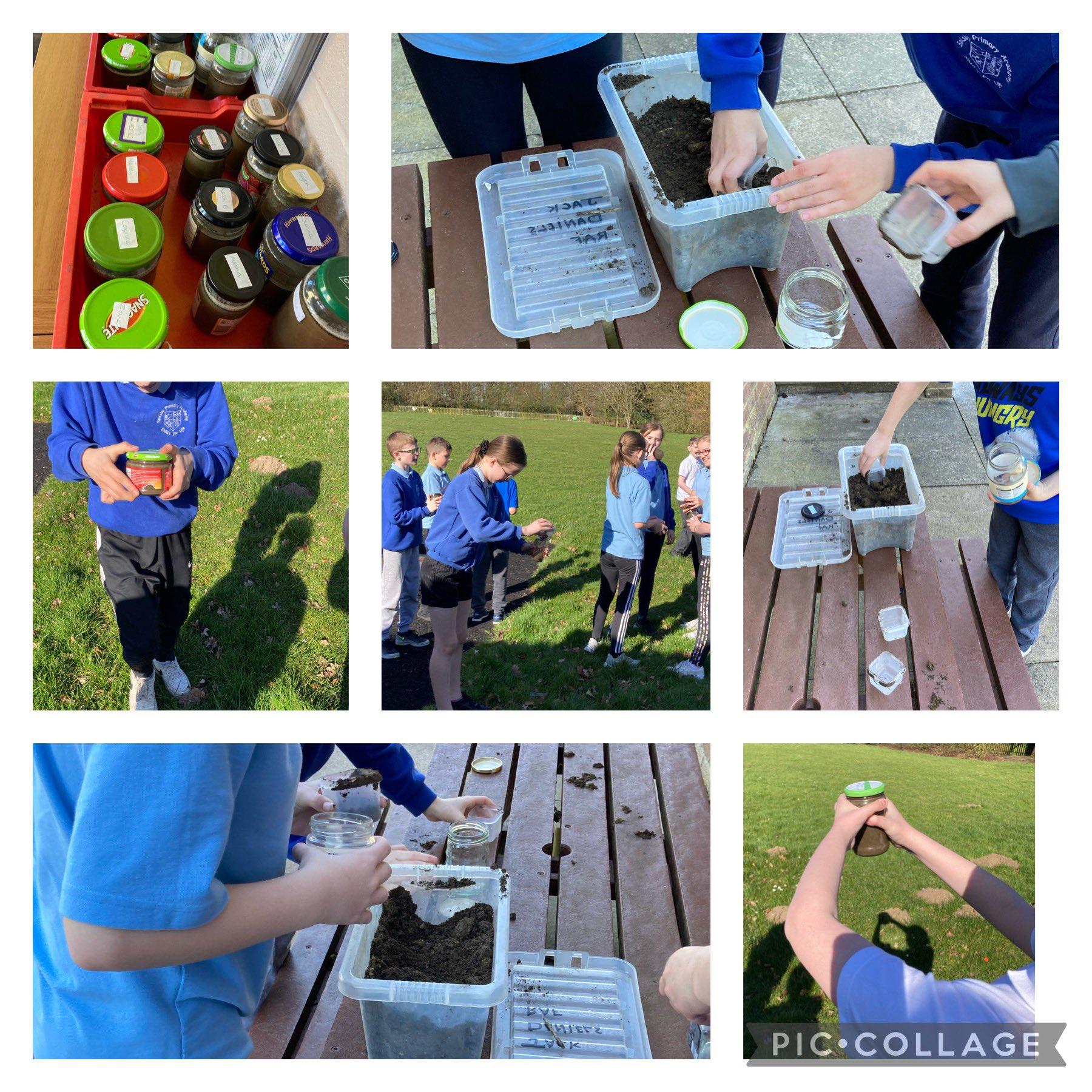
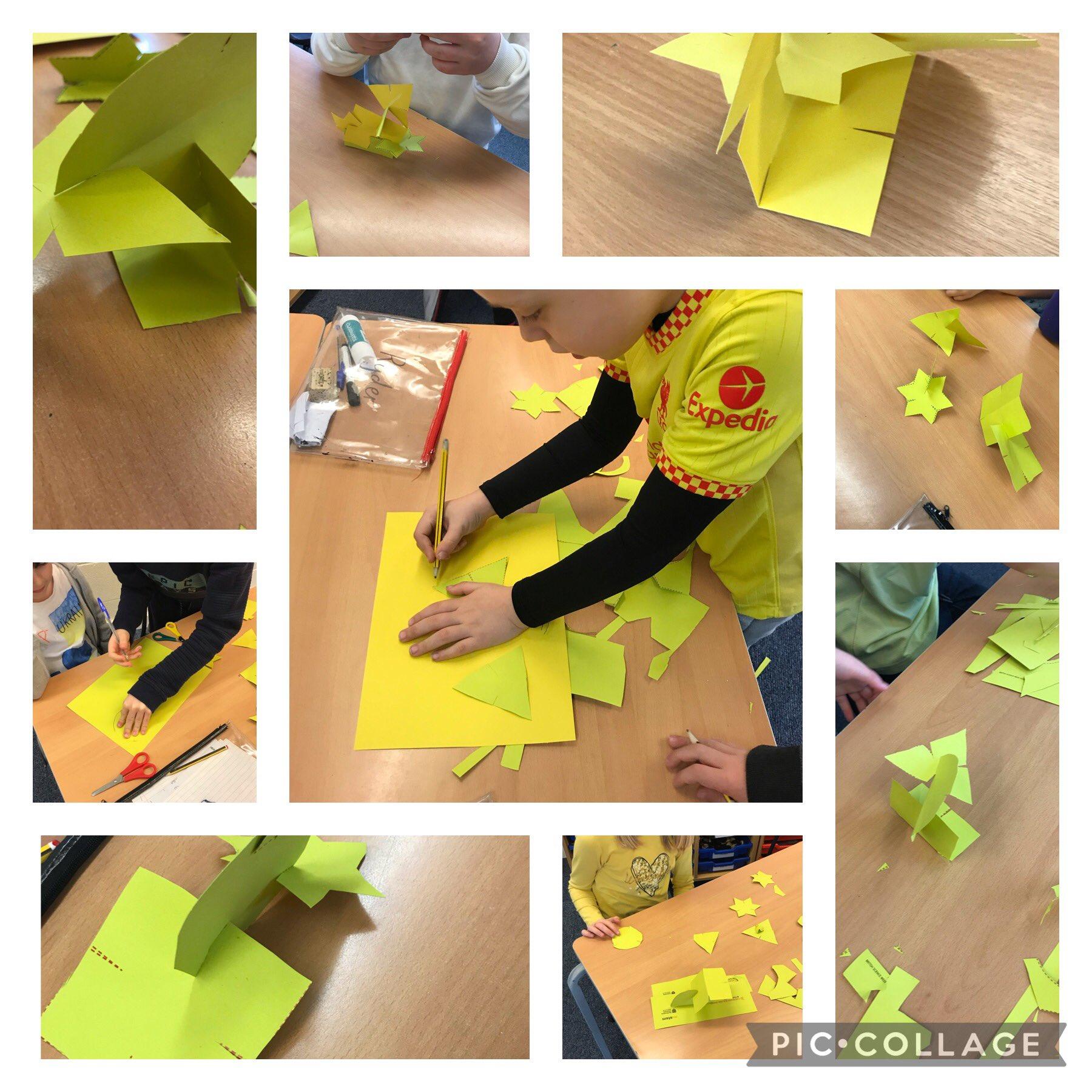
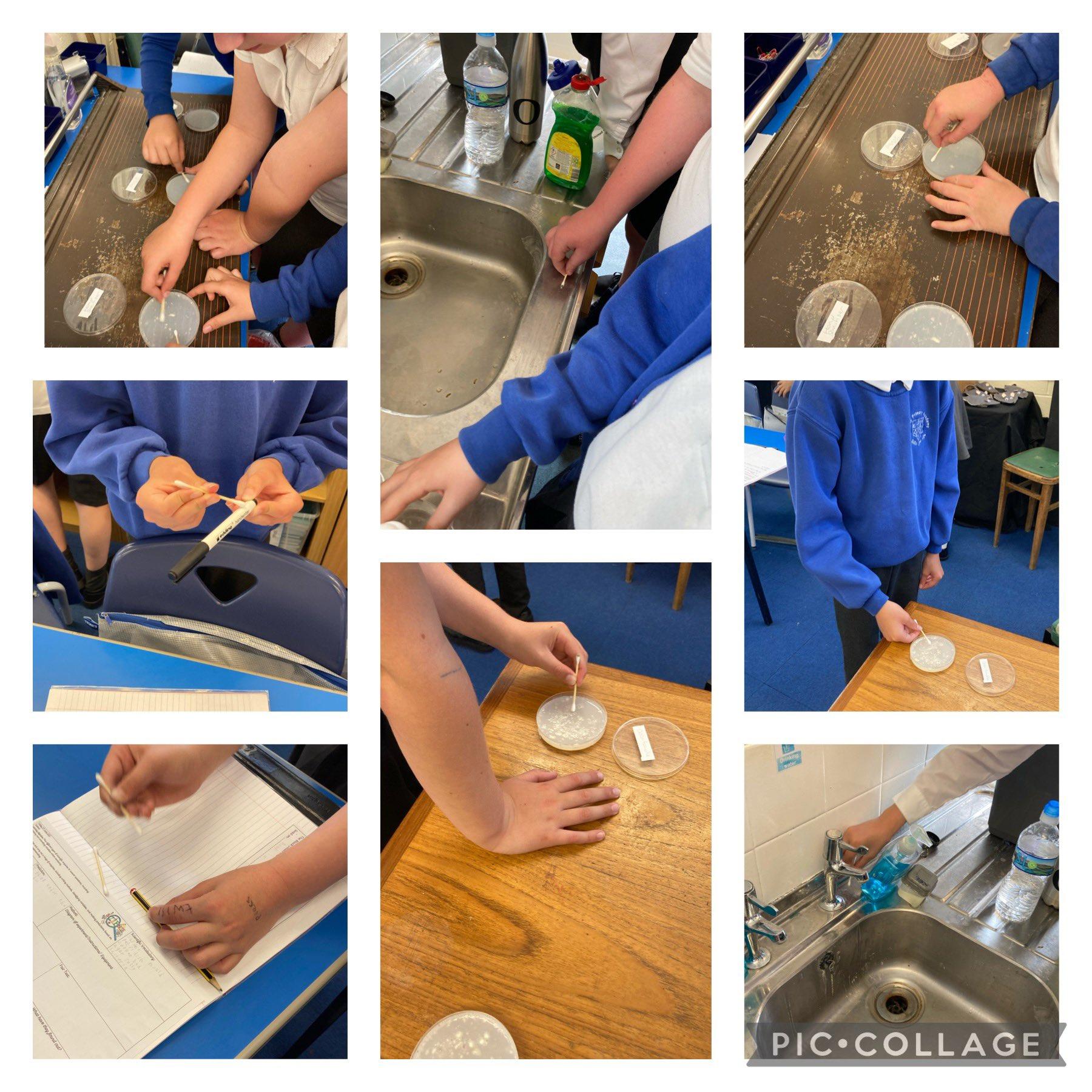
Year 2 investigated how germs are spread. We covered our hands in "germs" (coloured chalk) & set about various tasks. We were shocked at how easily the "germs" spread- they got everywhere!


Year 6 created a virtual scenario to test what was needed to make a rocket take off.
Discussions ensured the children knew that changes were reversible or irreversible. Explanations of how changes in water from a solid, to a liquid to a gas are reversible, however, burning a piece of paper to ash is irreversible helped the children understand the scientific vocabulary.
The scientific fun then started as the children observed the chemical change when mentos were added to cola; simulating the propulsion needed to make a rocket lift off. Questions and answer sessions after each bottle was tested help the children recognise how important research was to rocket scientists.


Year 6 have completed their lever investigation today, to help understand how levers can reduce the effort needed to bring about an effect.


Irreversible Changes


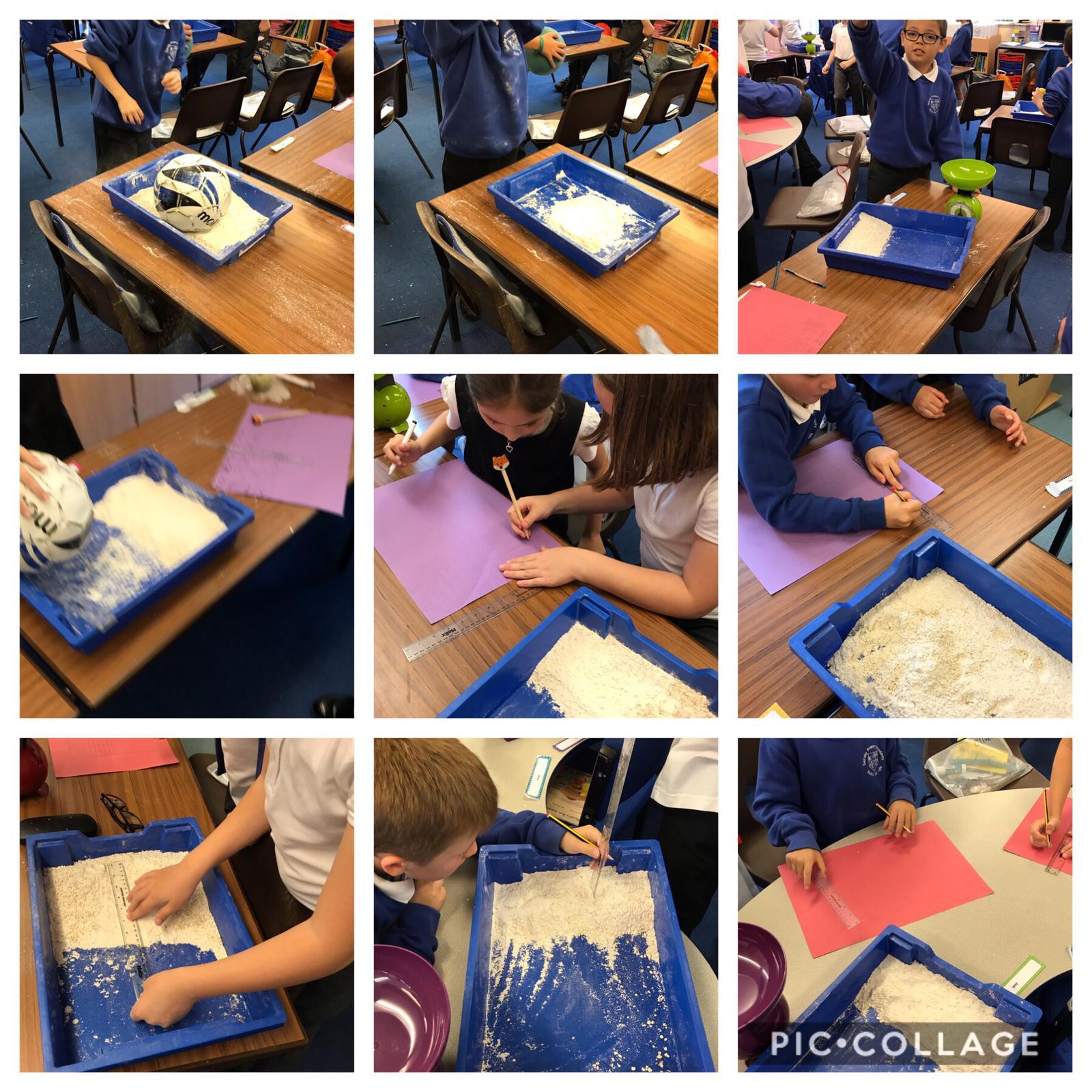
Year 6 completed 2 science investigations today, one to work scientifically and look at the force of gravity using Newton Meters: measuring an object's weight. The second, a crater investigation, to see the impact of a meteoroid or asteroid upon a planet's surface.


Year 6 discussed the size and scale of planets in our Solar System. Using the knowledge they had learned from their Planetarium memorable experience, they created posters to show the planets in comparison to each other and their order and distance from the Sun.


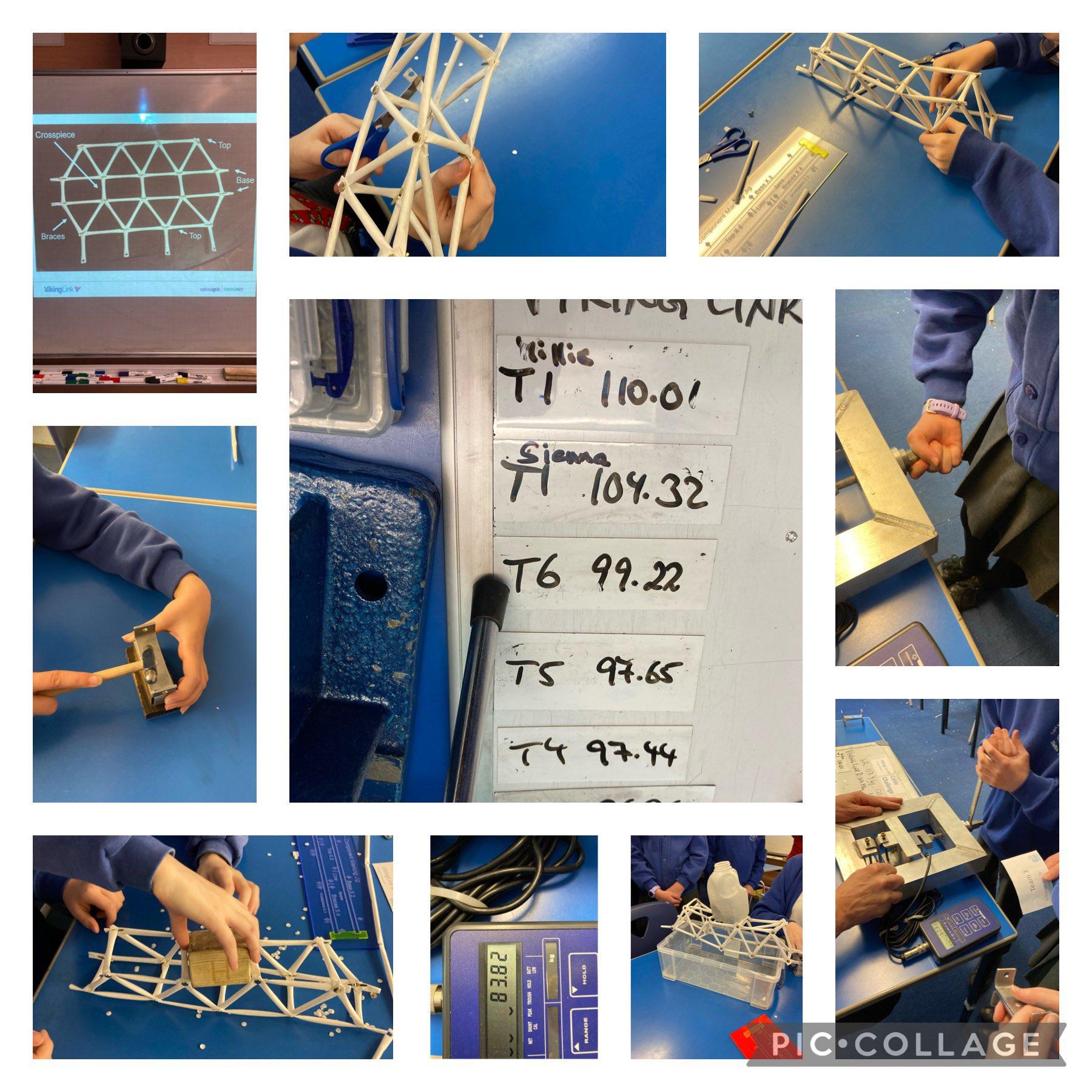
Year 6 learnt how to create an electrical circuit and discussed the importance and significance of using this type of equipment during the war. They talked about Morse Code and how coded messages were used to keep important battle plans and military action secret from the enemy.


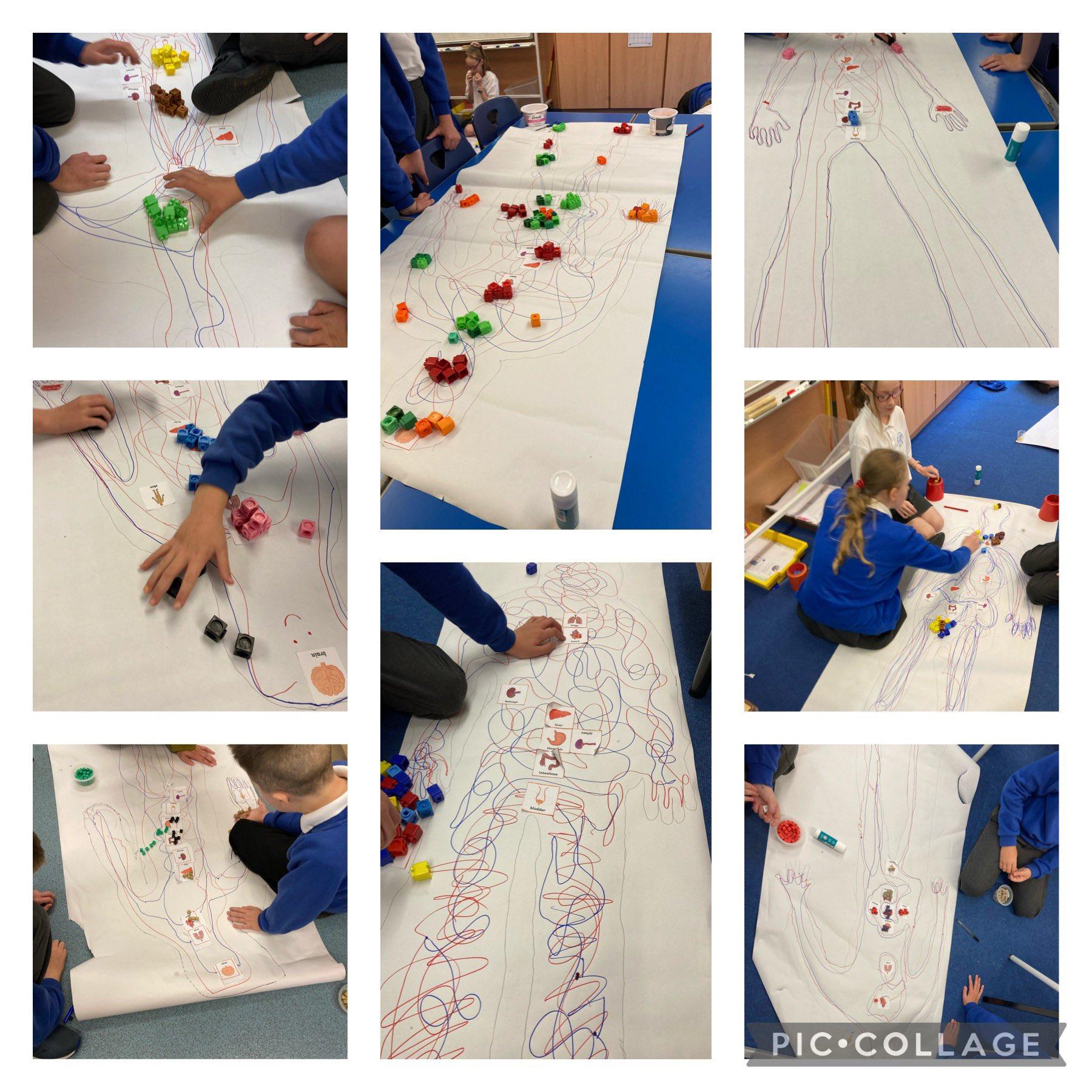
Y3&4 put their knowledge of the digestive system into action by creating life-size diagrams. We thought carefully about the size of the digestive organs, their position in the body and the order


The Reception children conducted a science experiment today using skittles and water. The children made some great predictions and explained what they had observed, thinking about why it might have happened


An absolutely brilliant afternoon in Year 3&4 recreating the digestive system. It's amazing what you can do with biscuits, bananas, orange juice, a food bag and a pair of tights!


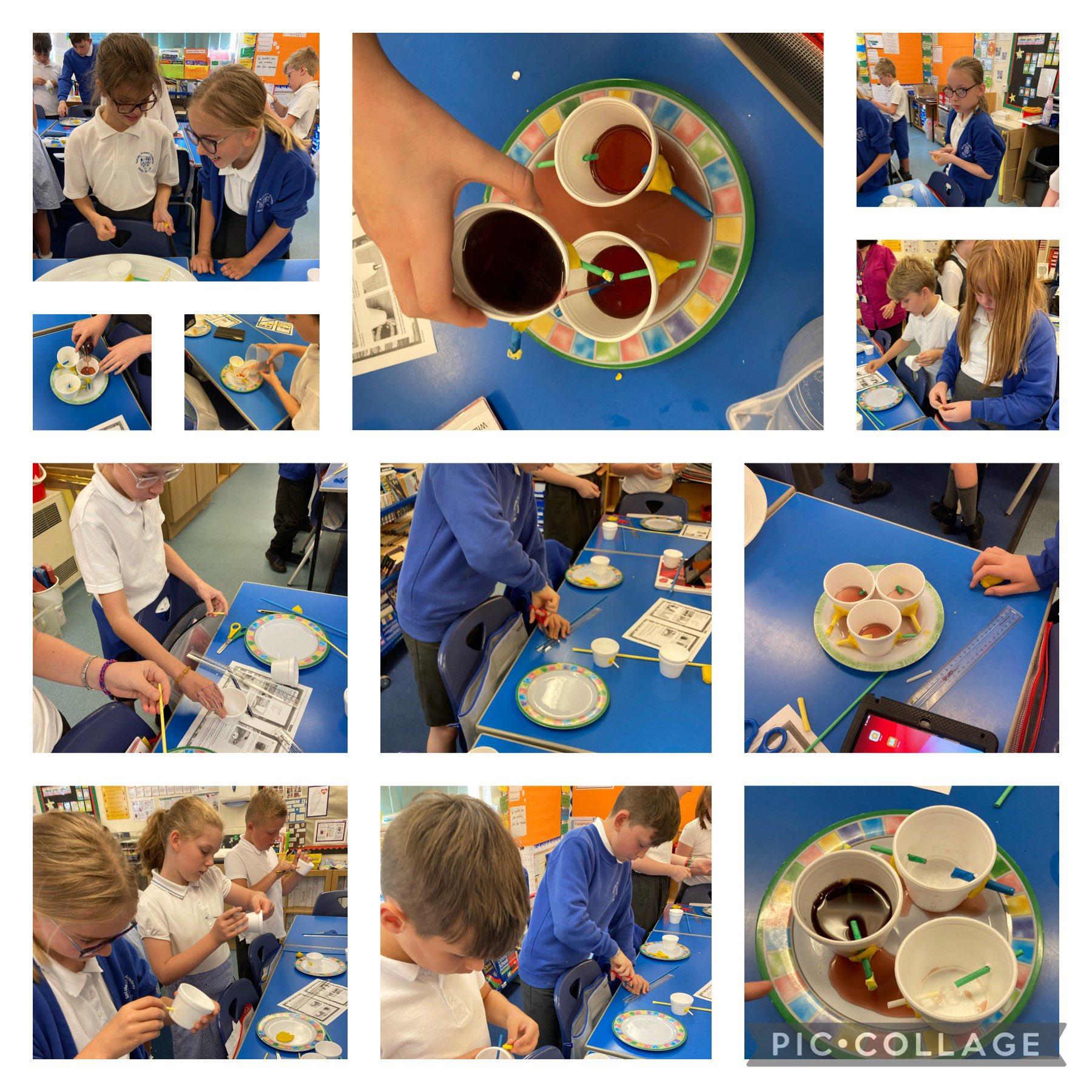
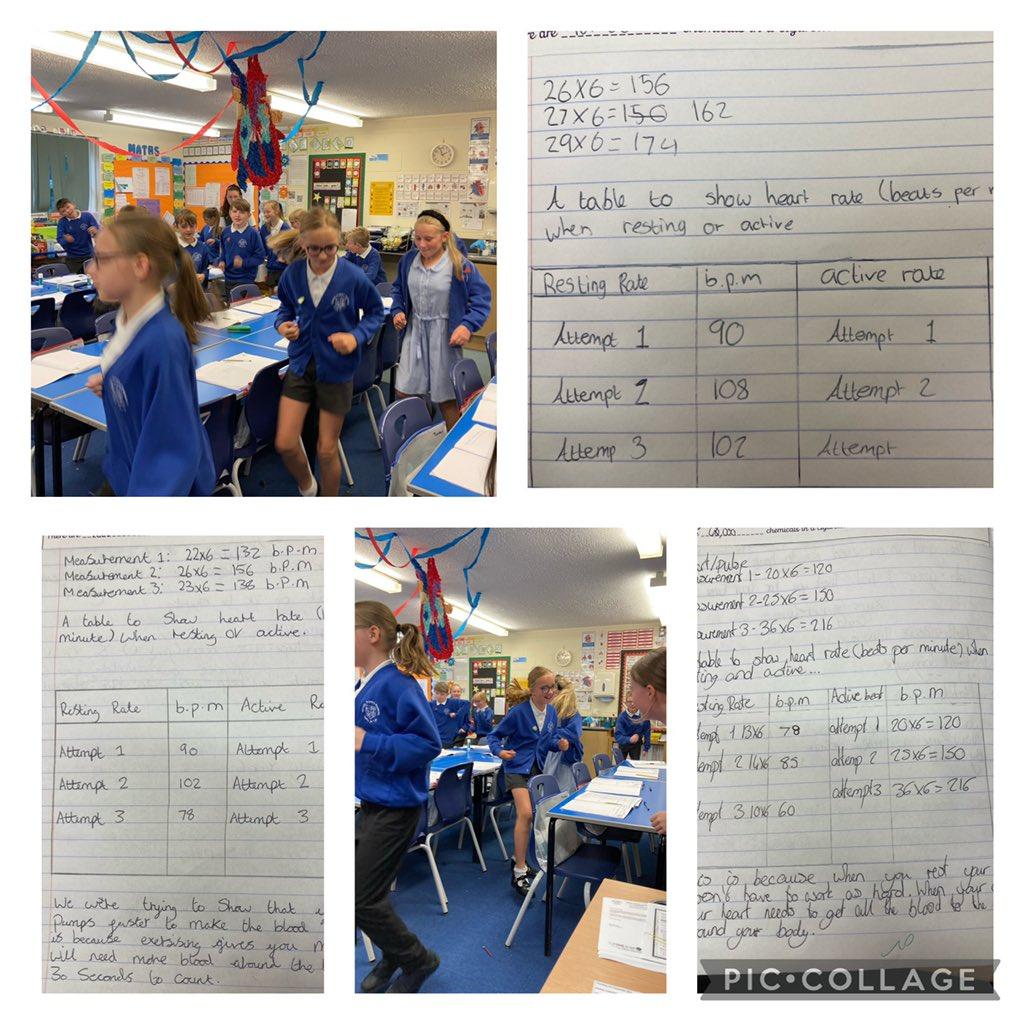
Year 5 have been creating artificial blood in Science today. We have learnt the different components within the blood.


In our Science lesson this week, year 3 have looked at types of teeth. We bit into a polystyrene cup gently to see the imprint of our teeth and labelled them correctly. We have also used this information to help us write our non-chronological reports in English this week.


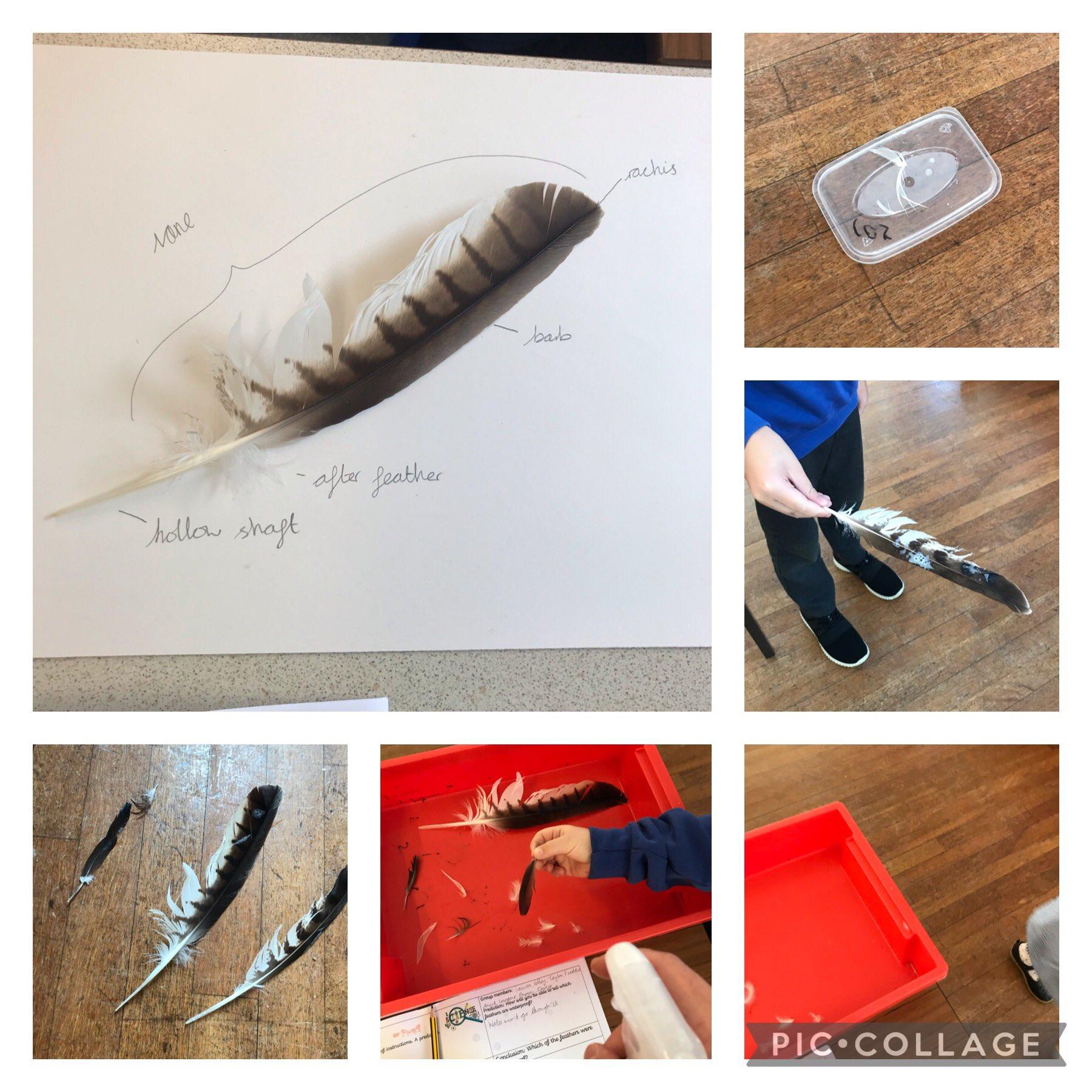
Year 3 loved creating their own deep sea creature this afternoon. They had to think about the type of animal it was, how it can adapt to its habitat and what habitat it might live in.


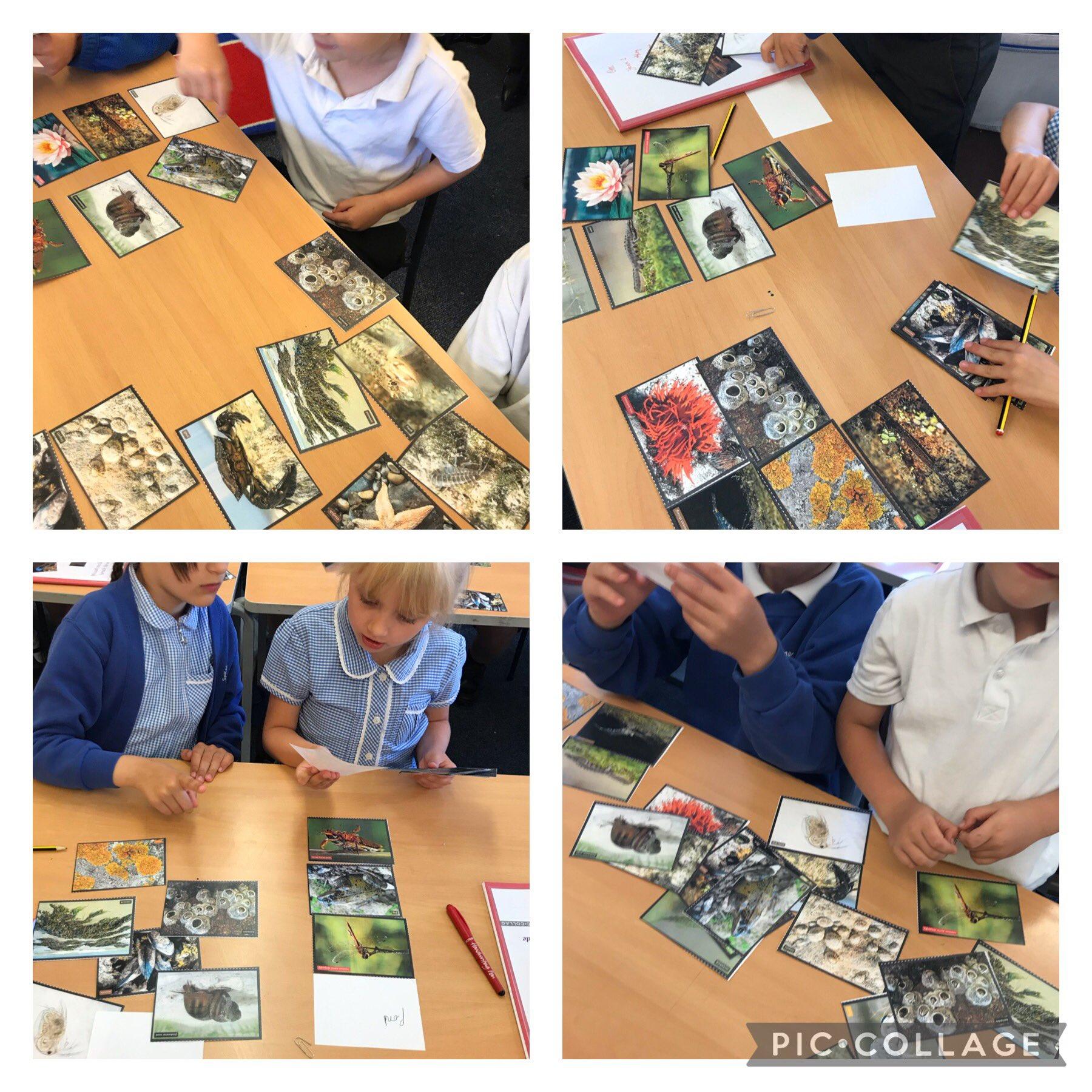
Year 2 were posing questions about what they wanted to find out about hermit crabs, including: what they eat; why they are called hermit crabs and how long they live for. Then they used the internet on the IPads safely to research the answers to the questions they have generated.


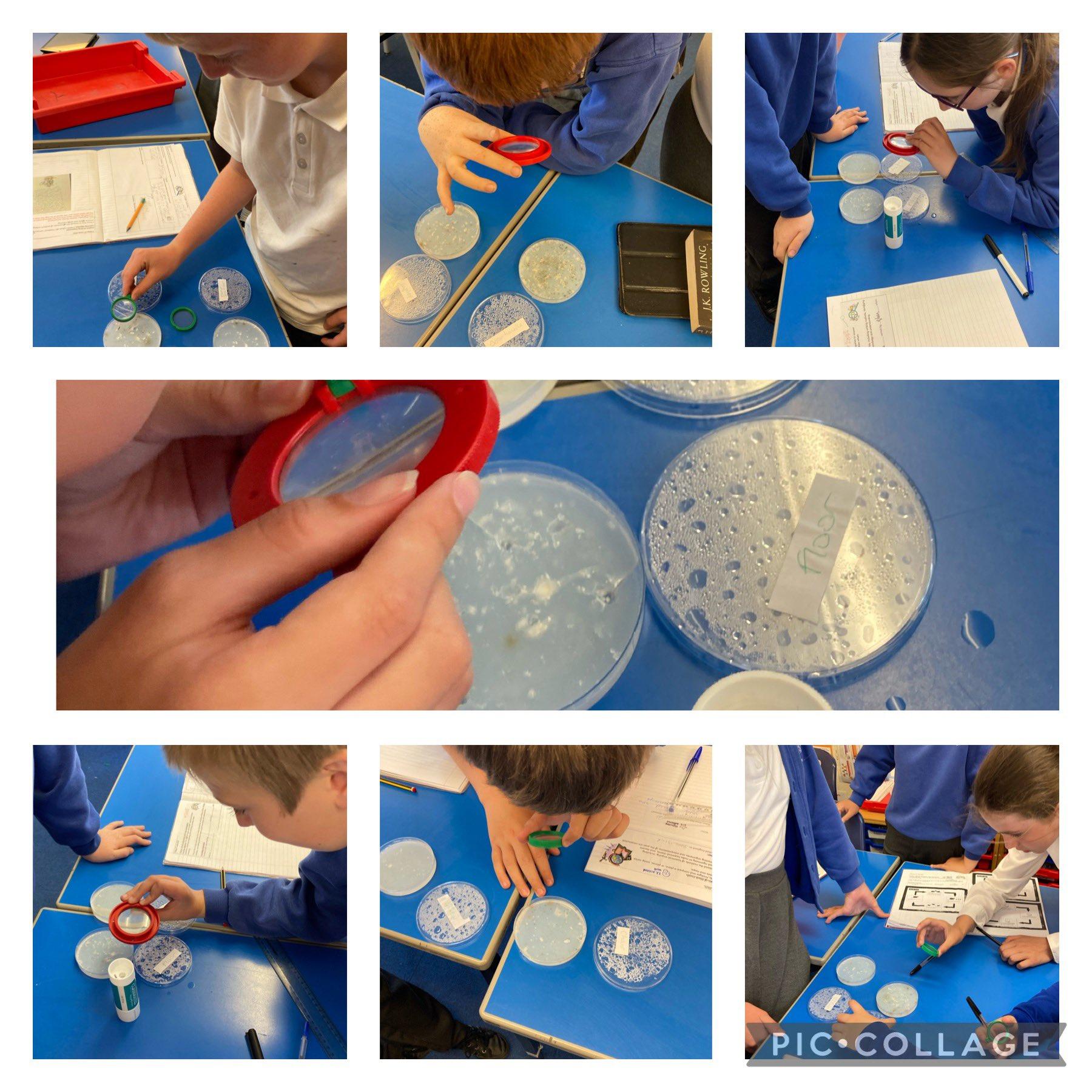
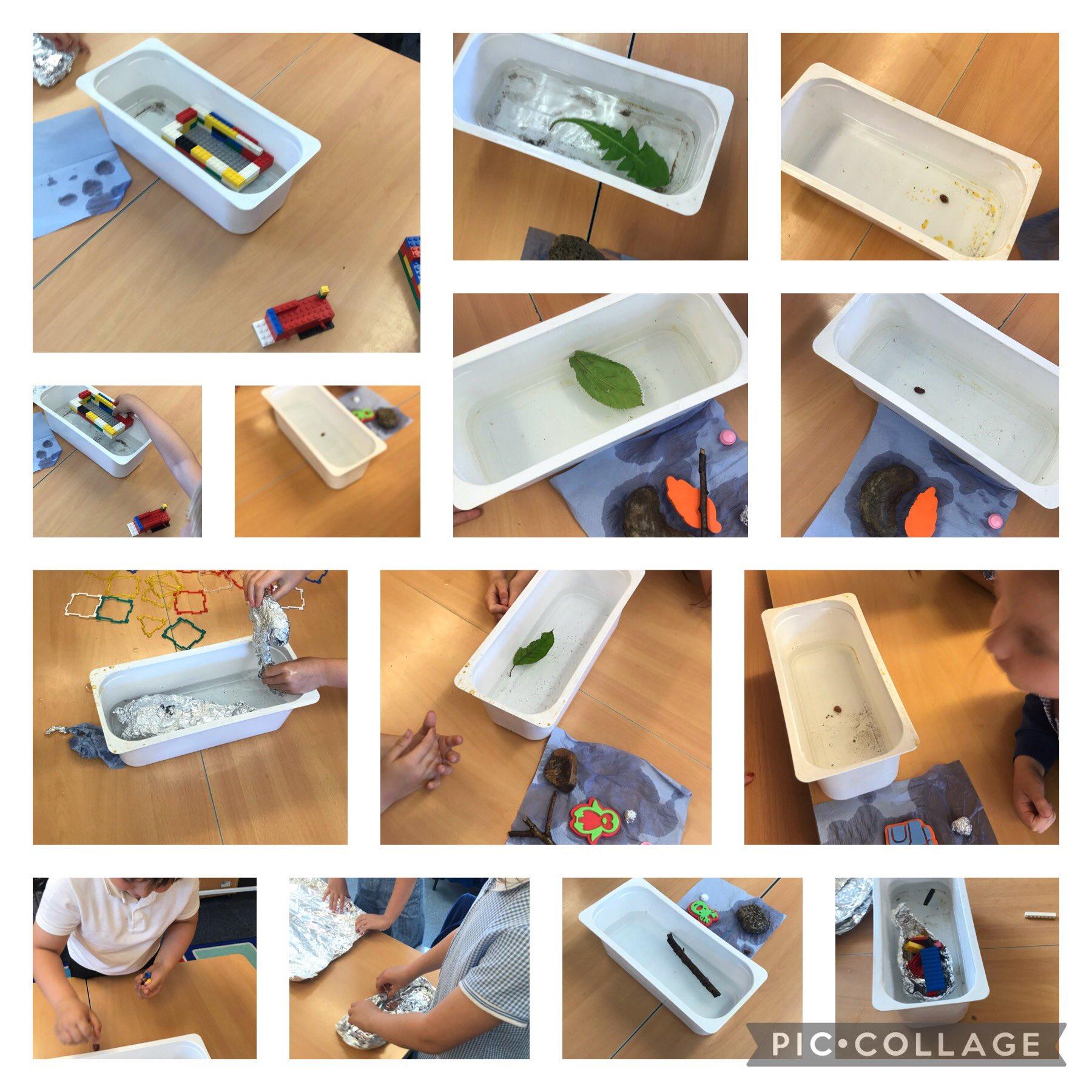
Year 5 have been investigating electricity and circuits with Viking Link. Future electricians in the making


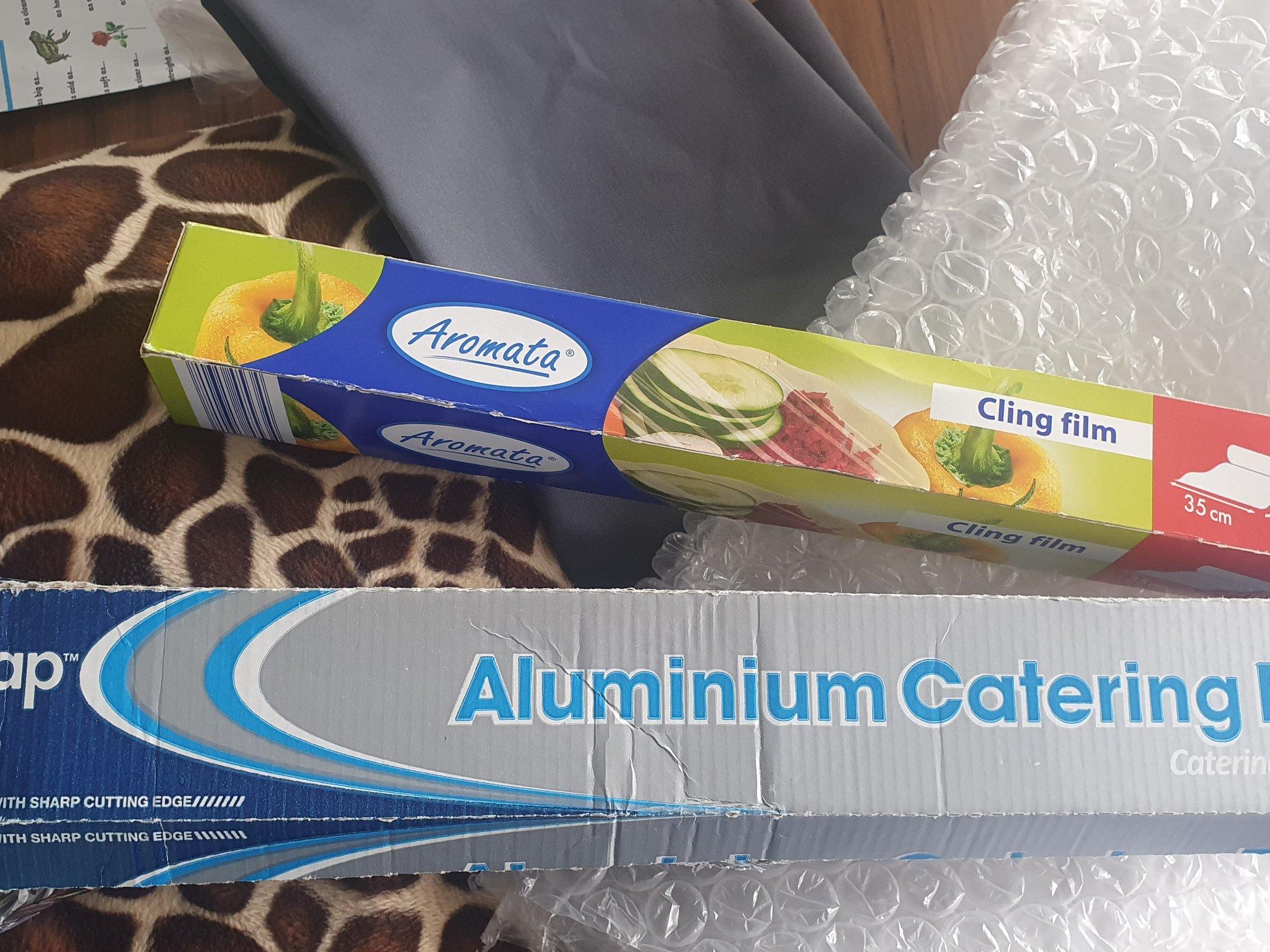
The Reception children have conducted a science experiment. They added an egg to water and watched the effects once salt was added. The children made some fantastic predictions and used some fantastic scientific language


Year 5 are experimenting to develop their understanding of friction, water resistance and air resistance


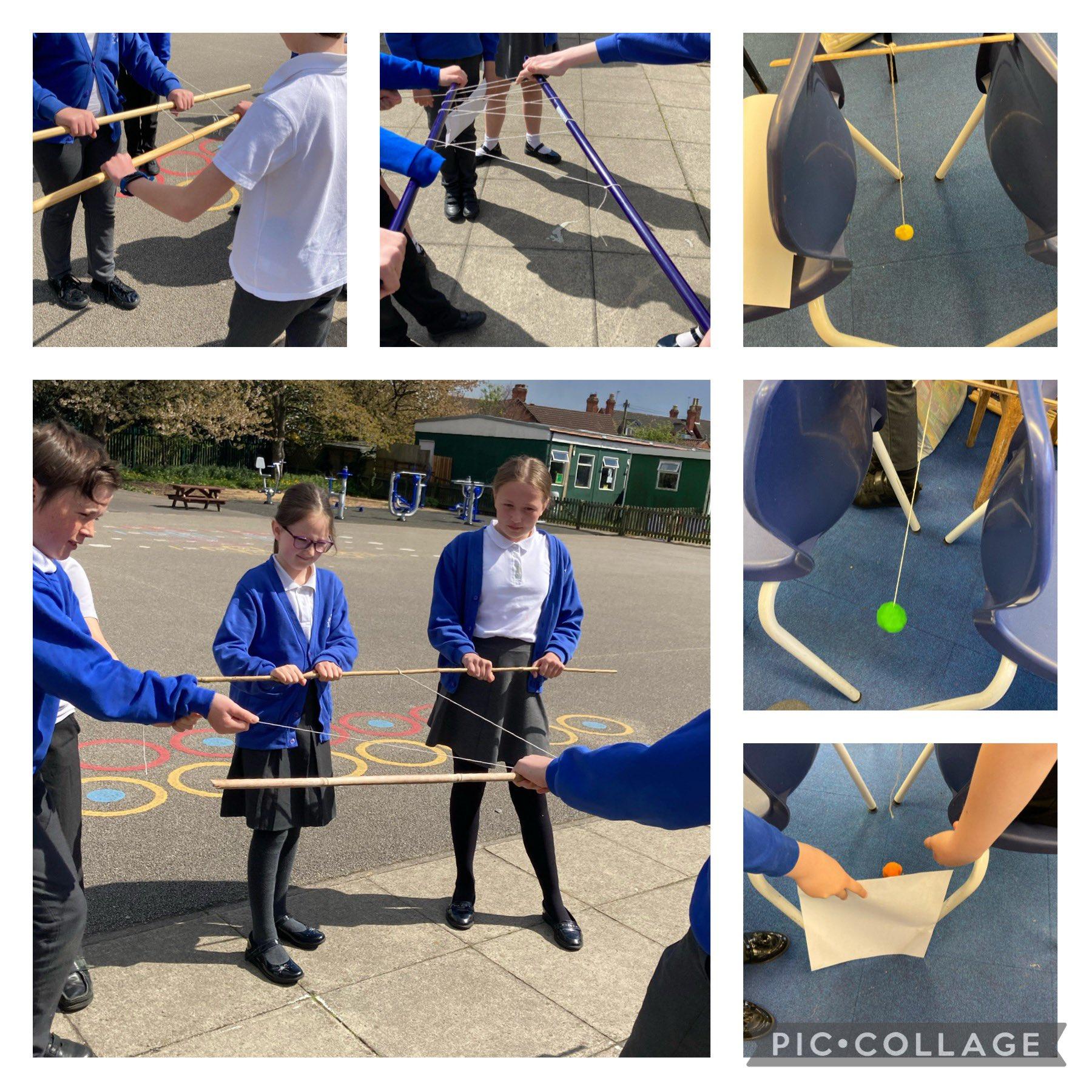
Year 5 are investigating the affect of weight on a pendulum.


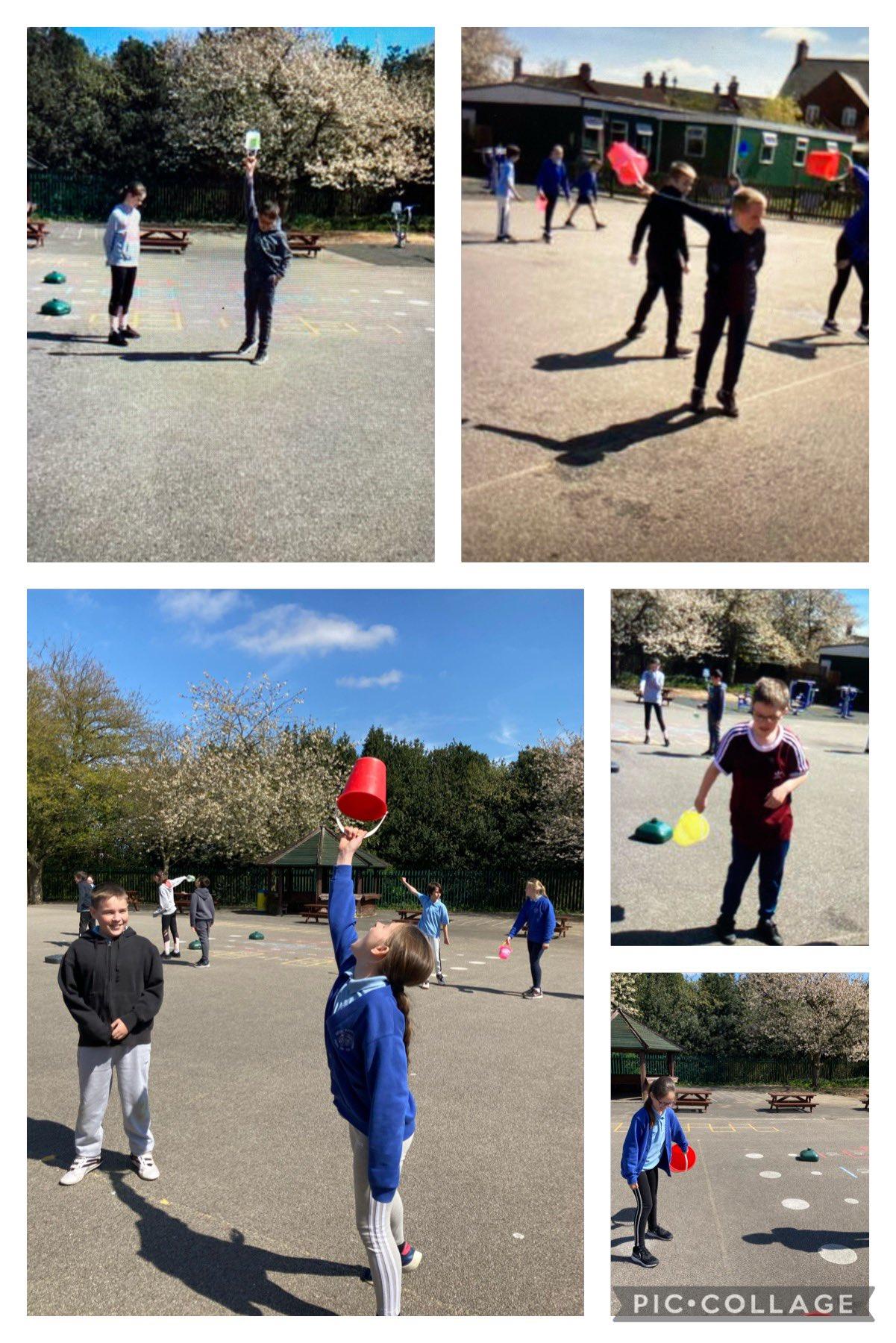
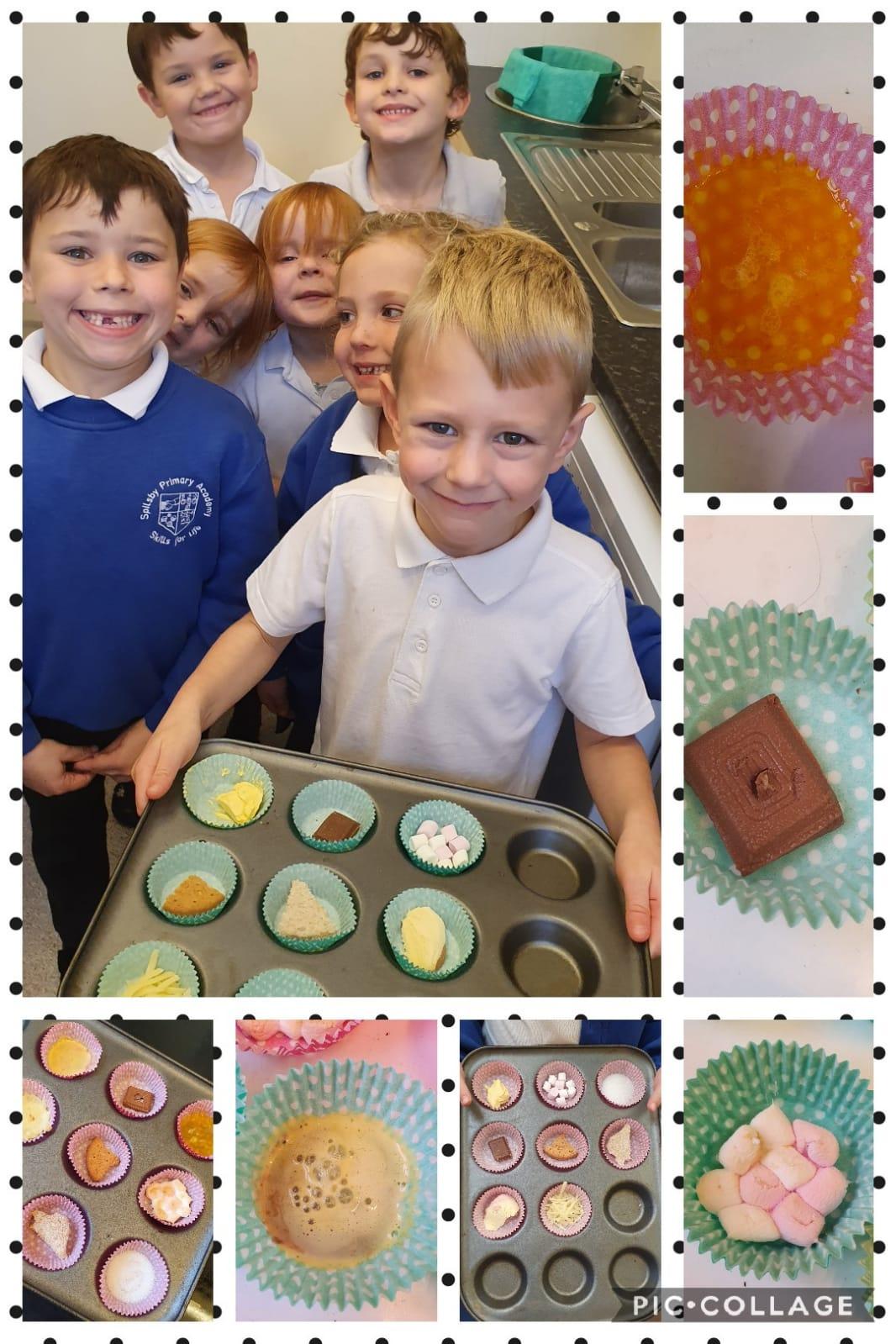
This week the children, in Year 1, became mini scientists. They developed new skills while participating in lots of exciting and innovating experiments. The children's favourite experiment was creating crunchy architect using chocolate and biscuits. The children used their skills to create a stable structure and then explored how we can turn a liquid into a solid with chocolate to make cement to stick there architect together.


Year 3 and 4 LOVED their brilliant outdoor science lesson this afternoon investigating the viscosity of various liquids.


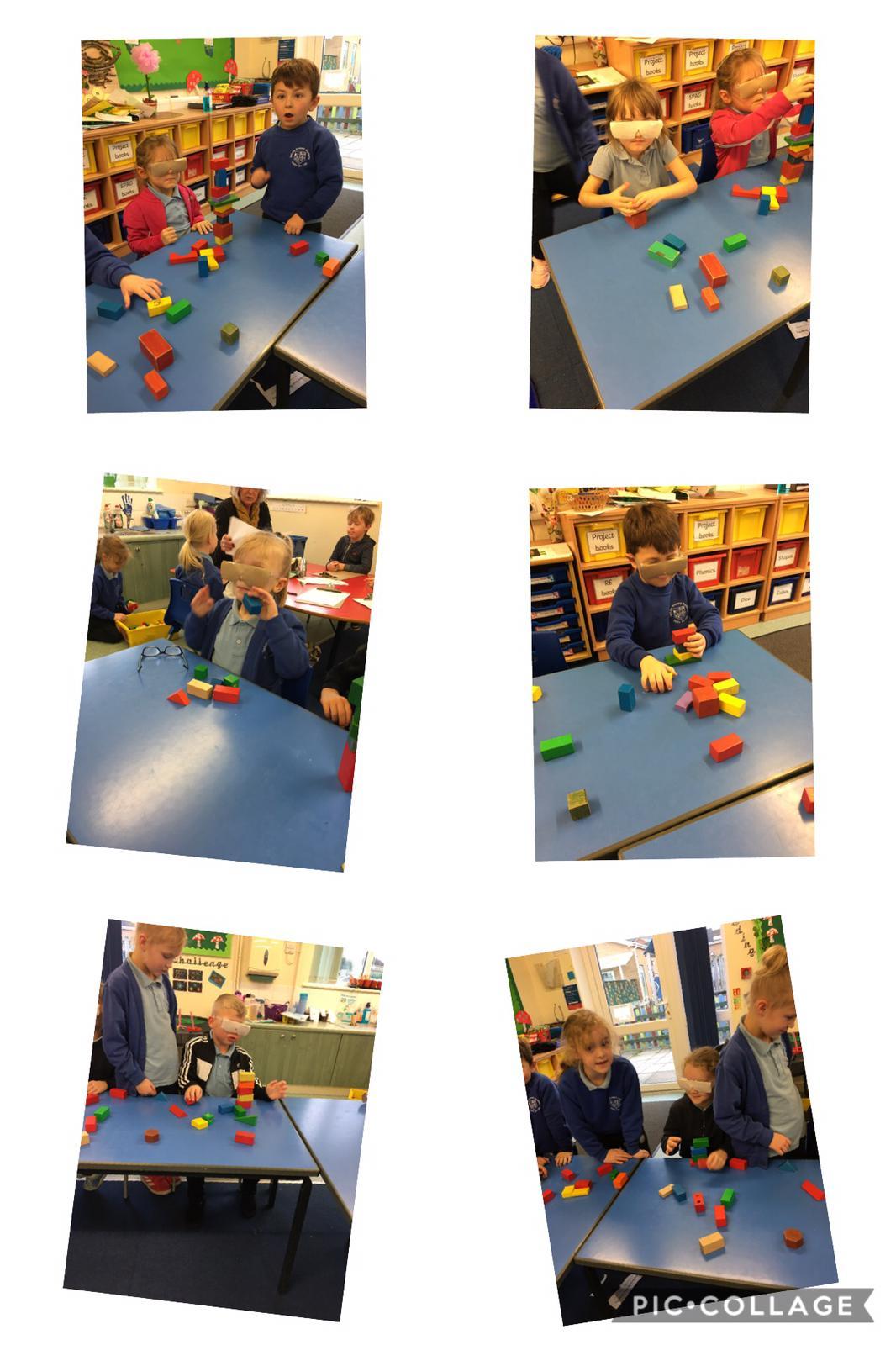
This afternoon, Year 2 explored the senses we have as humans. They discussed what the senses were, which part of the body was used for each sense and then what difficulties living things face if they no longer have access to one of the senses.


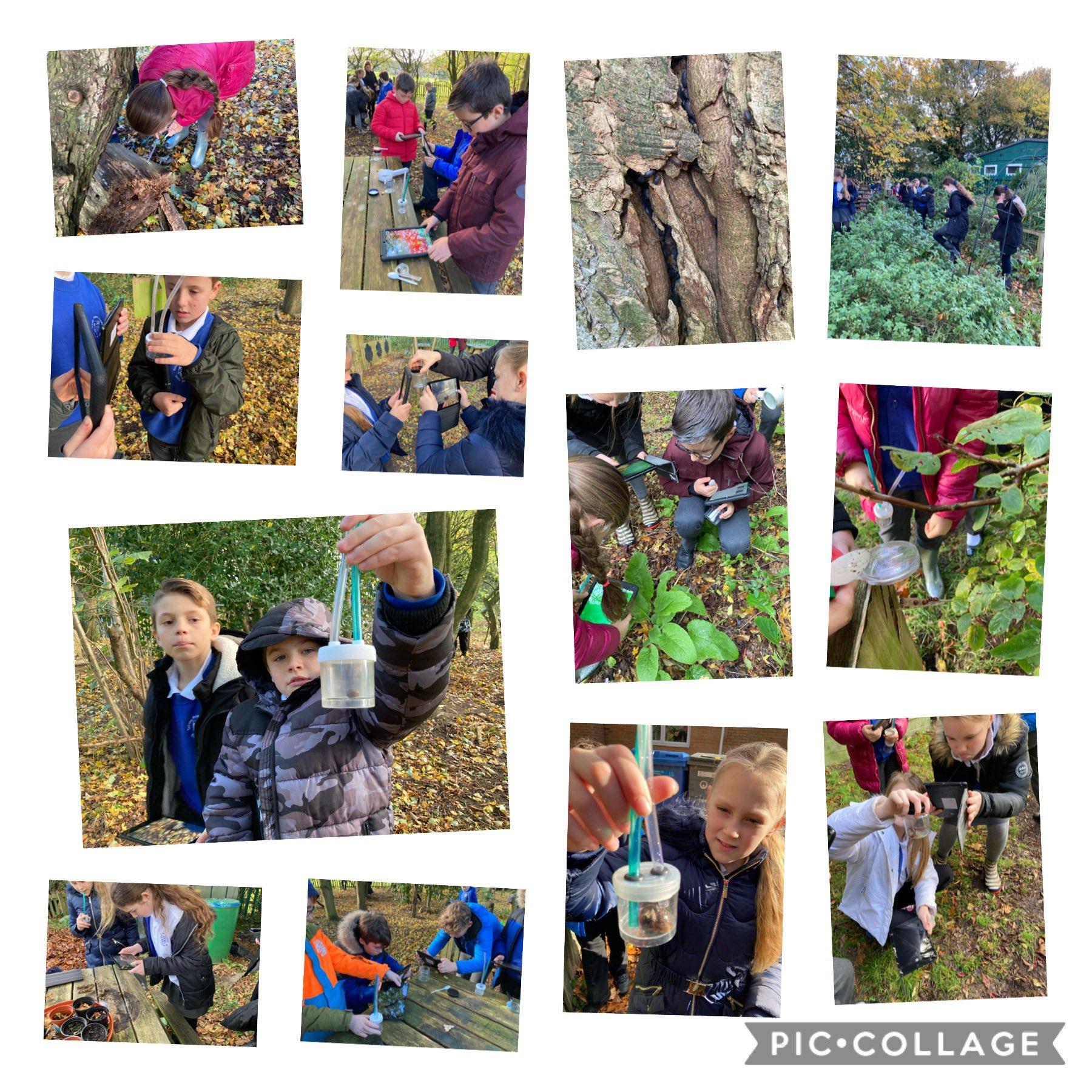
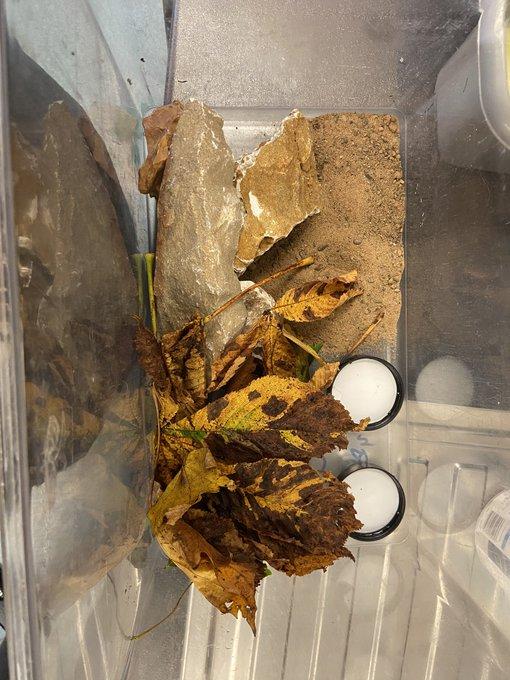
Year 1 investigaed how to keep plants healthy in the winter. They understood that plants need water, light and a suitable temperature to grow and stay healthy.


This afternoon 1C have been using their knowledge of how different materials can be used for building nests and dens for the woodland animals at Natureland. We explored and discussed which natural materials would be suitable to create strong structures to keep our animals safe and warm.


We have scientists in year 1! Using all their knowledge to perform a simple test to find the best way to care for plants.


Year 1 exploring parts of a plant. They had show their knowledge by identifying and describing the basic structure of a variety of common flowering plants.


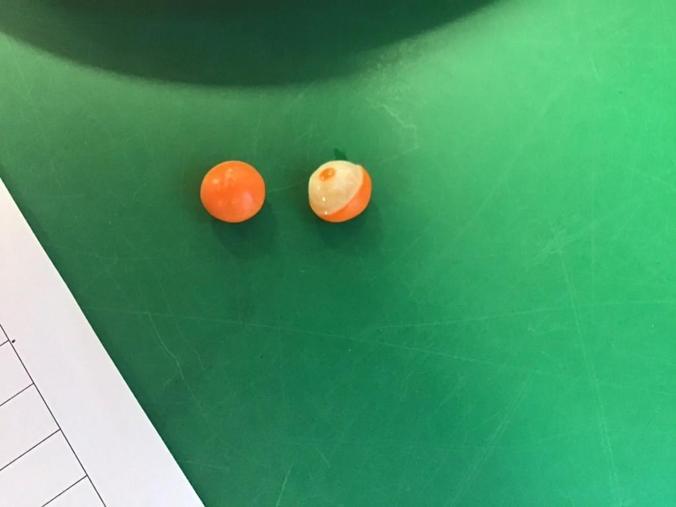
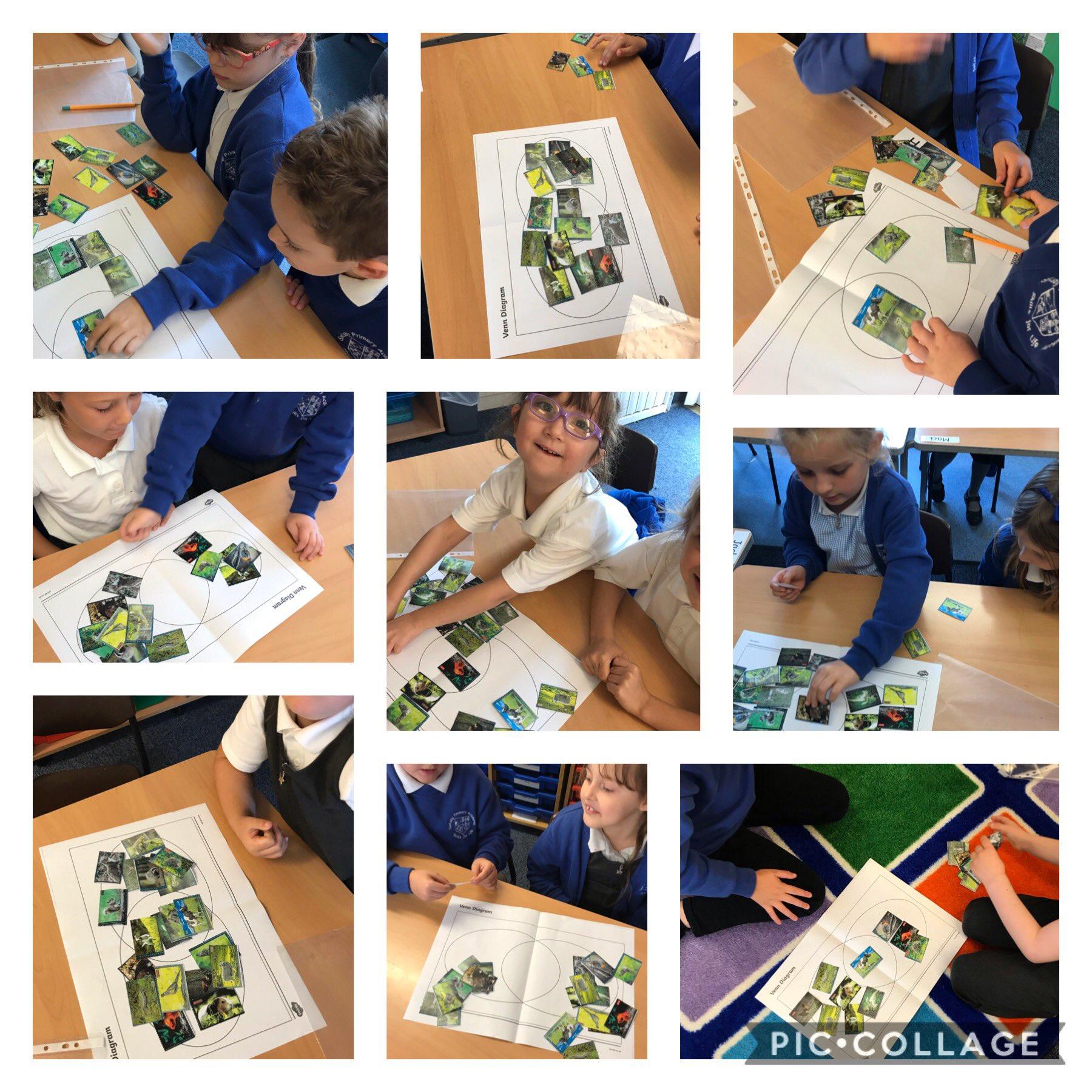
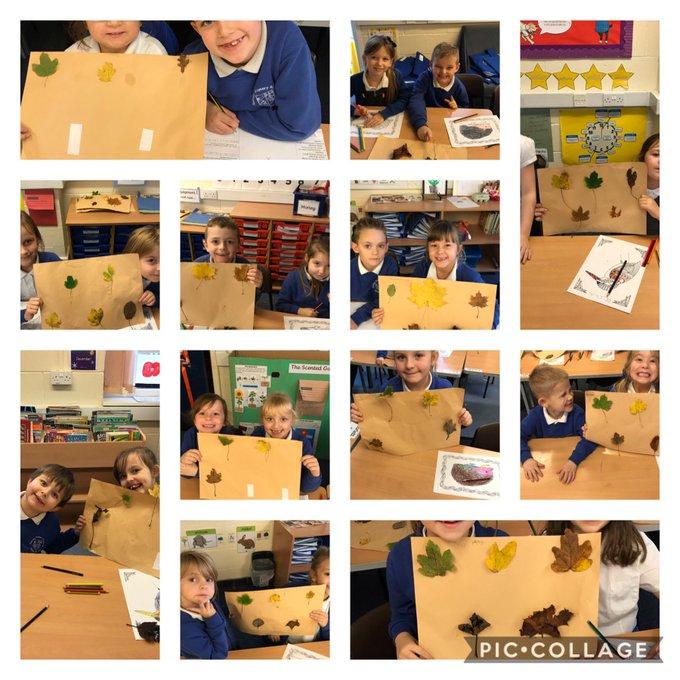
Year 2 spent the afternoon identifying different types of tree; deciduous and evergreen, then looking at the different patterns they could make from bark rubbing as well as spending some time sketching the leaves from different trees.


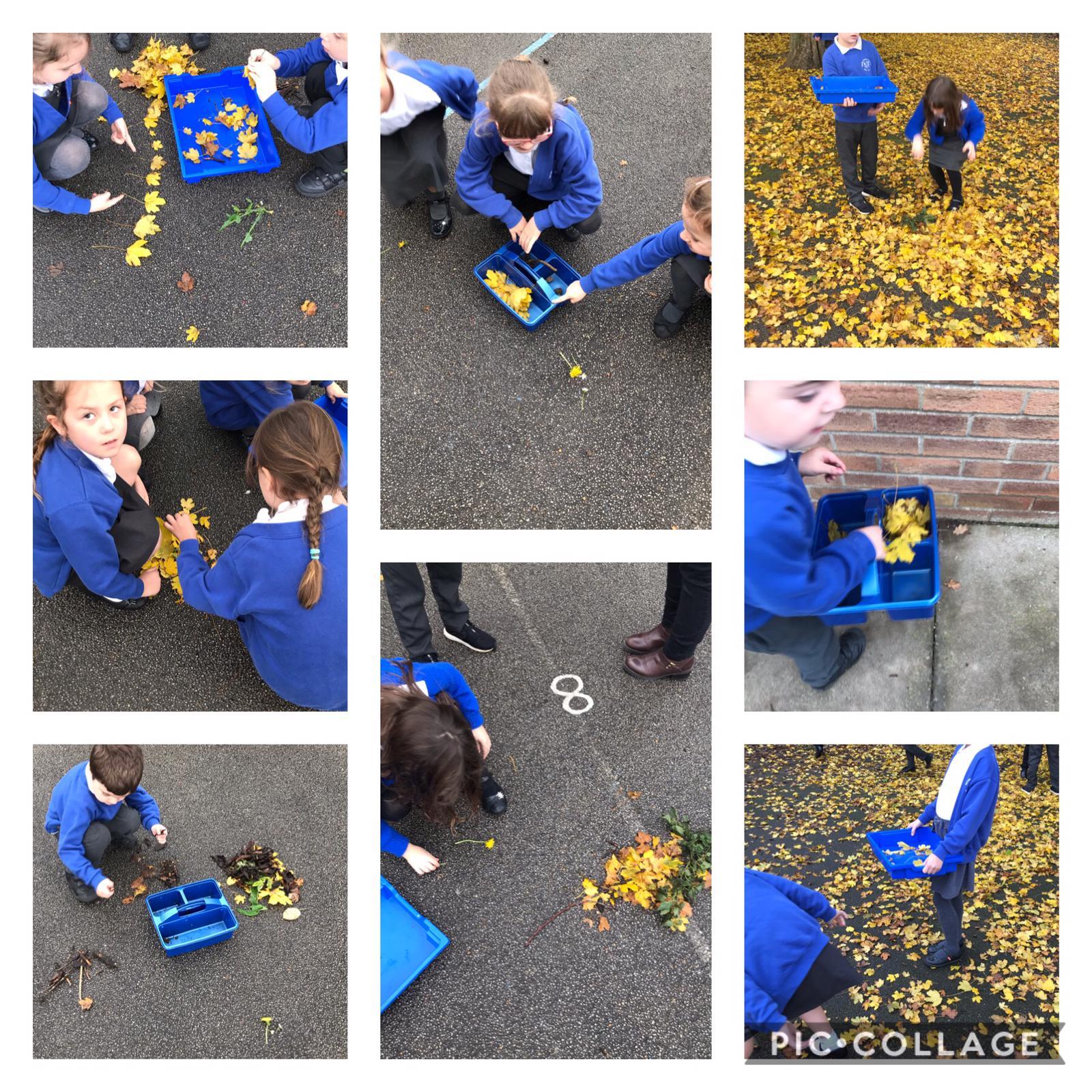
Year 2 spent some time in groups this afternoon exploring the trees around the school grounds as well as thinking about what the weather was like. This will be part of their exploration into seasonal changes throughout the year.


The whole school took part in British Science Week today by taking part in activities across their key stage linked to the theme of 'Our Diverse Planet'. We had creating a creature, bubble blowing experiments and guess the animal.


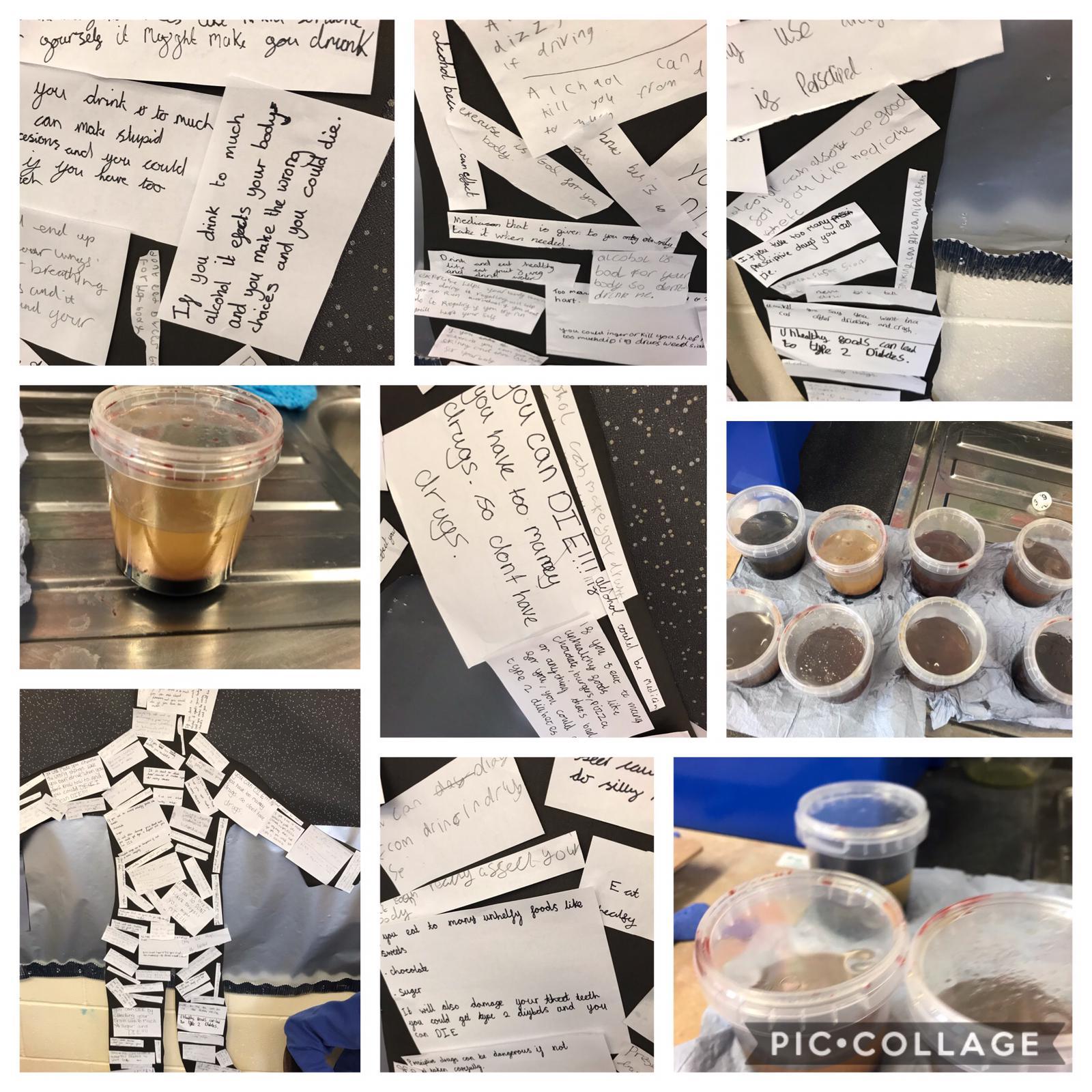
In science this afternoon year 6 had to create their own artificial blood sample to identify the different components. They then described the function of each component and linked it to previous learning of the circulatory system.


The reception children have been investigating how to free the dragons from the frozen eggs. The children observed and discussed the changes to the ice and talked about where ice comes from. This linked in really well when we experienced a flutter of snow later on ❄


Some children from Reception B and C planted some trees today! Since the children from Science club had been learning about micro habitats earlier this week, a few of them came along with me to plant the trees (from the woodland trust) and thought about which animals would want to live in the trees. We also talked about how important the trees are to us, providing us with oxygen.


Year 6 have finished their project with a practical science experiment. They created simple circuits to explore which materials were good conductors of electricity . They then discussed how morse code messages could be created using their circuits and how an open and closed switch would make the bulbs flash on and off.


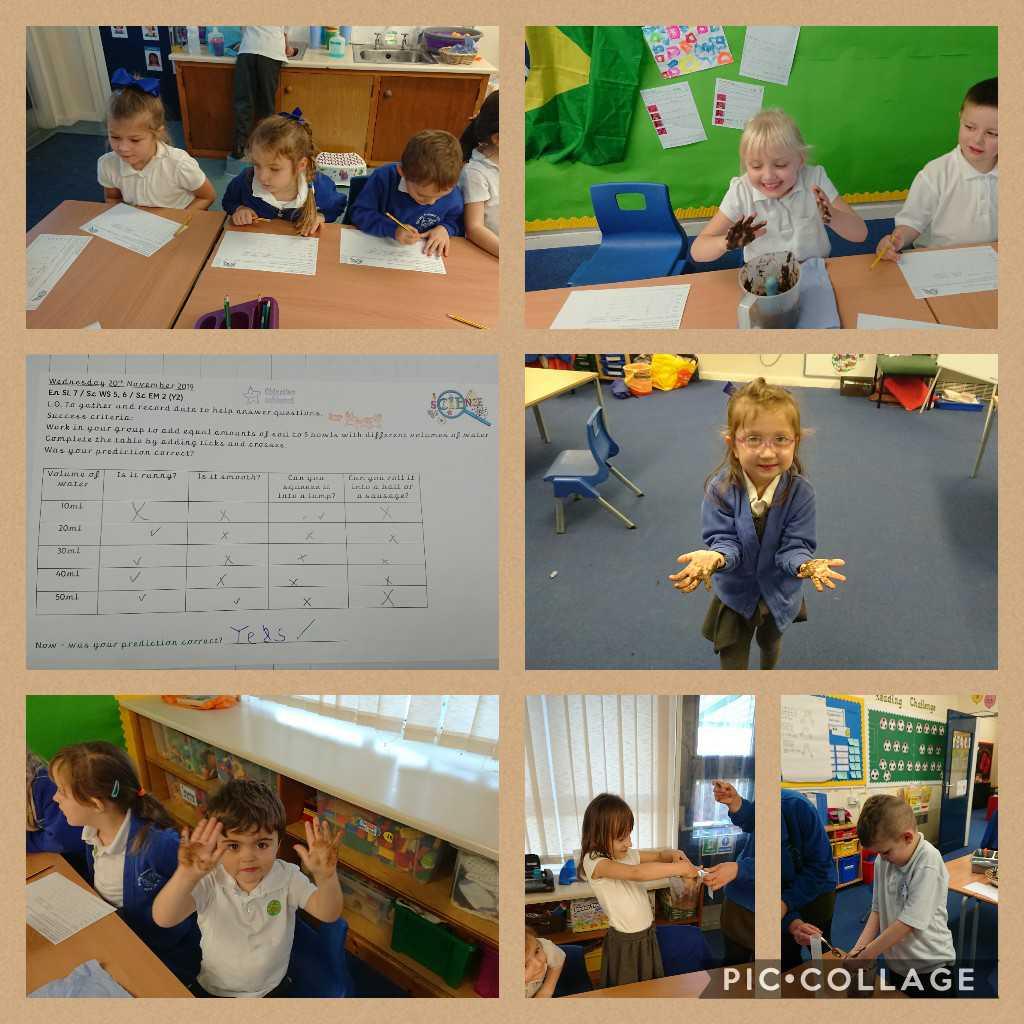
Year 2 are looking forward to performing a simple test in Science tomorrow. Ahead of this, they've made a prediction today and we discussed the words 'solid' and 'liquid' which they've tried to include.


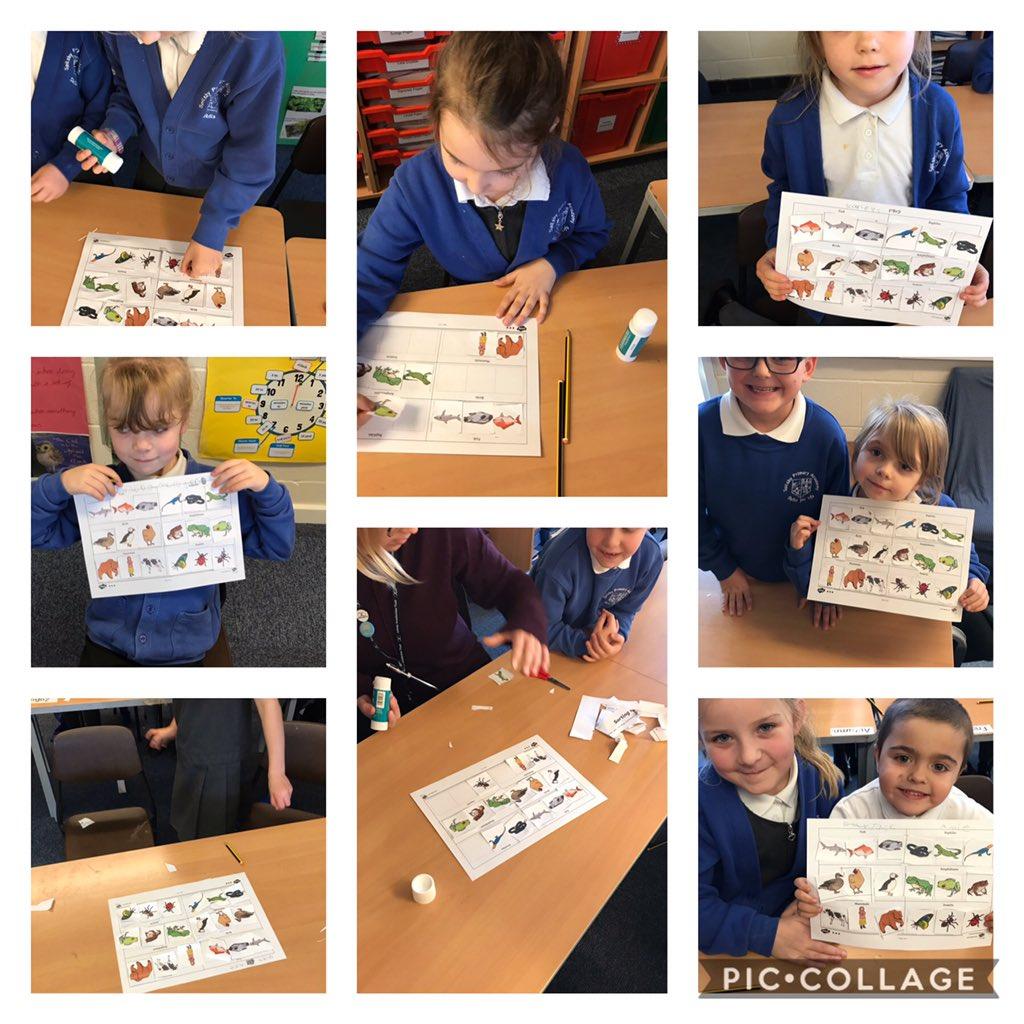
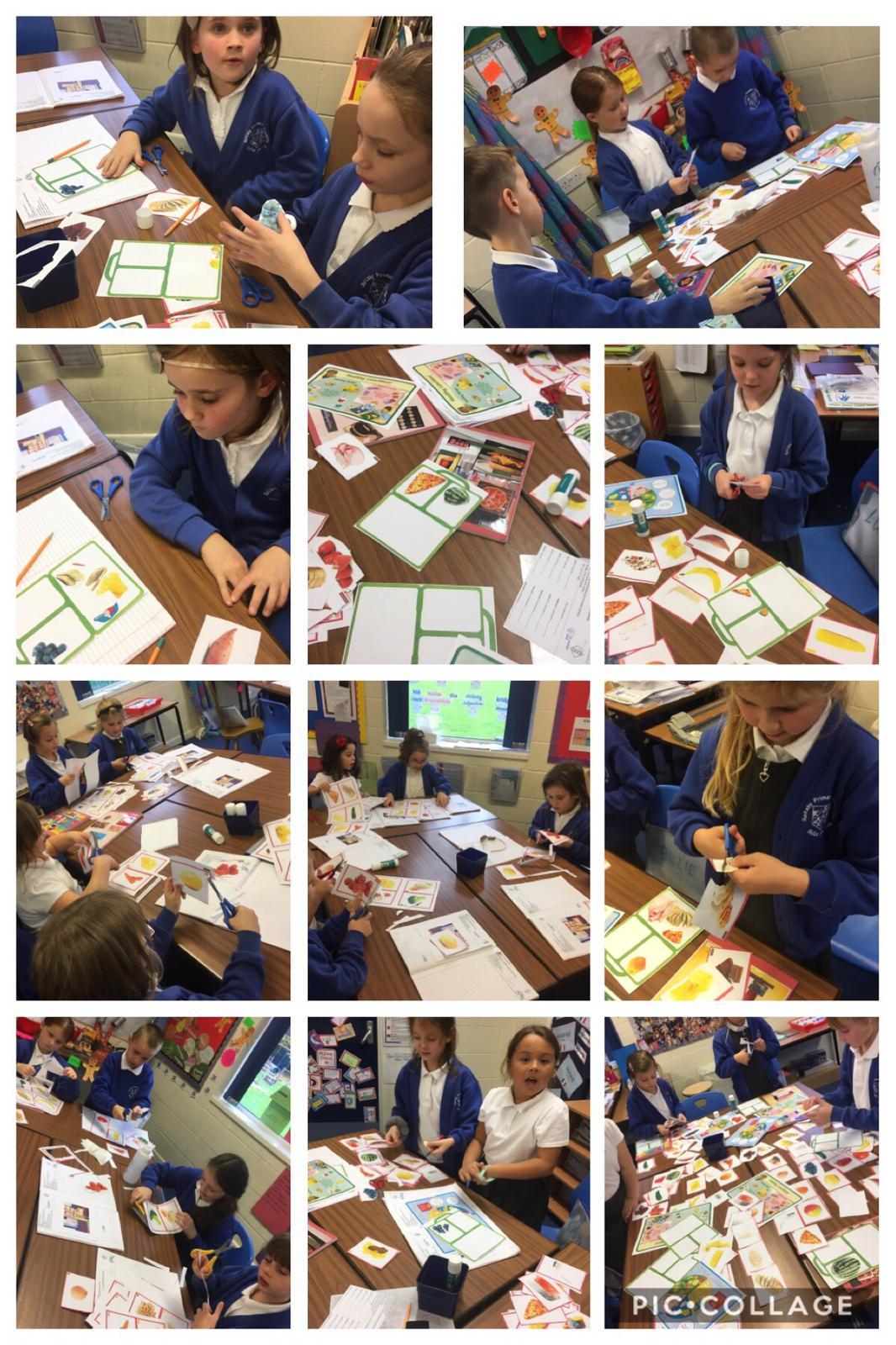
Year 4 worked extremely well to explore a range of different foods and sort/classify them.


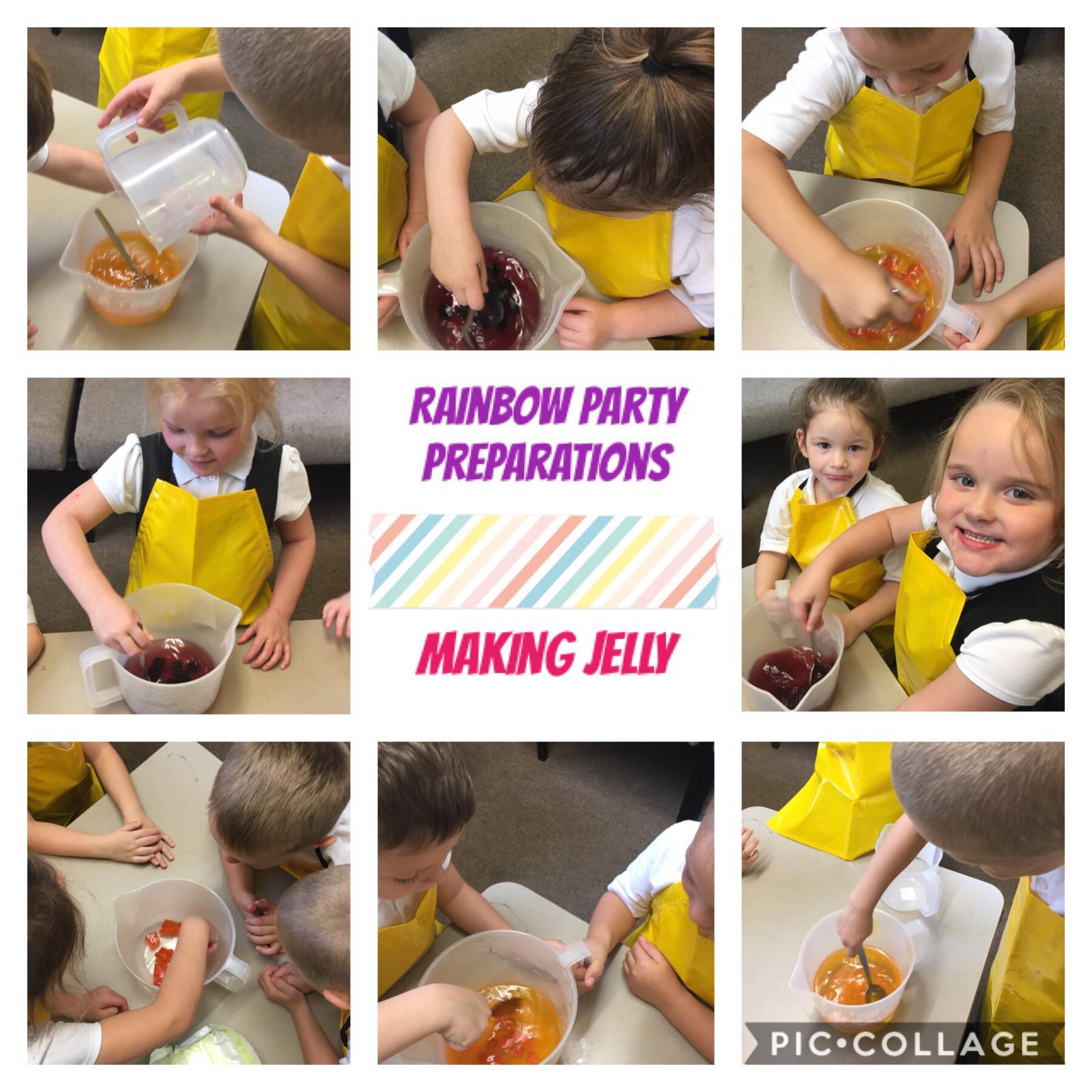
Reception B got a reply from Rainbow Town! The King & Queen thought our party plans were FANTASTIC! They sent us some magic beads in our water tray & some sweets and instructions to follow to make a rainbow! We talked about how the beads felt & made predictions about how we could make a rainbow with water & sweets!


Years 1 and 2 performed a simple investigation today. They looked at different soap products and made predictions for which one would produce the most bubbles! A fab afternoon of investigation and working together.


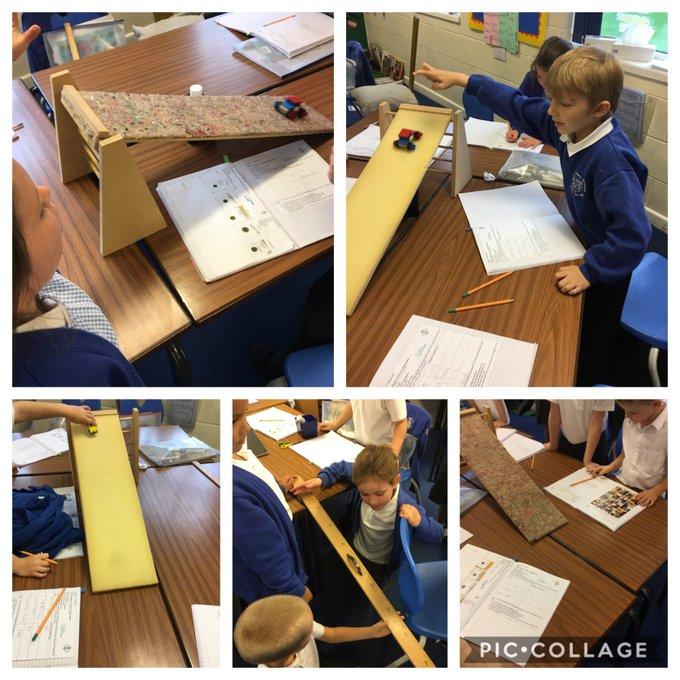
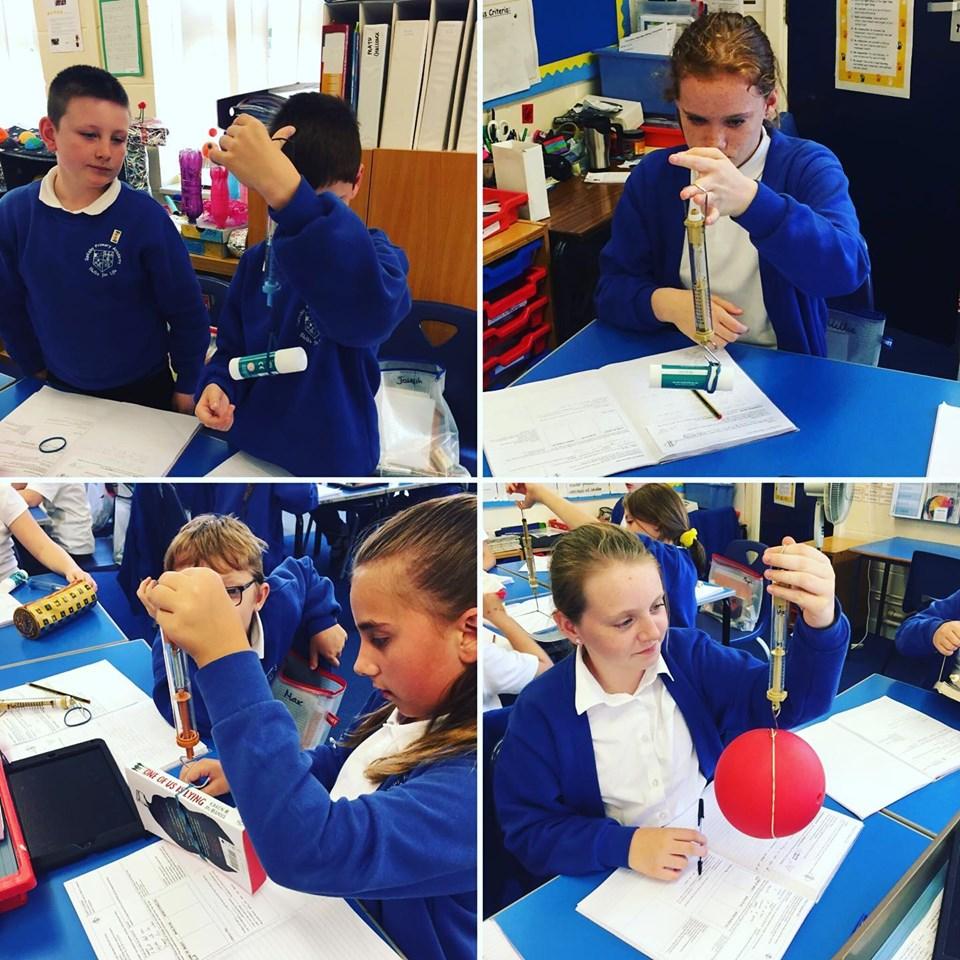
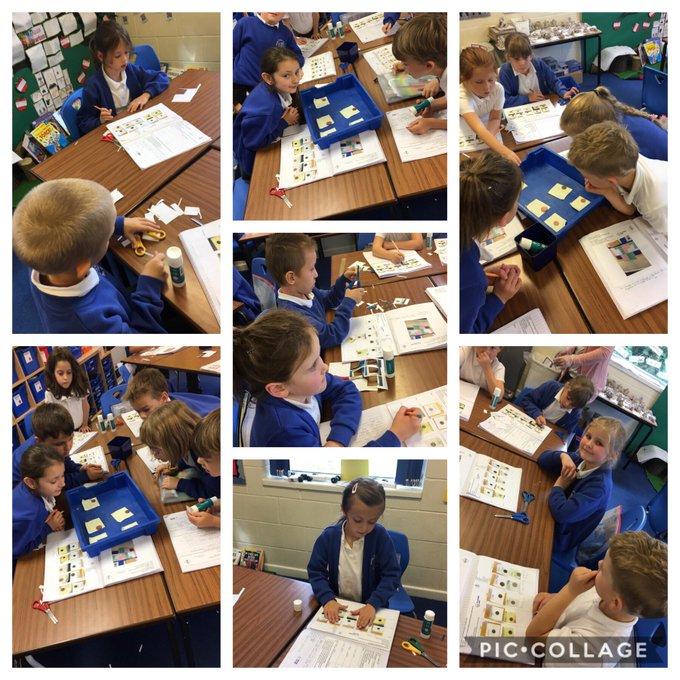
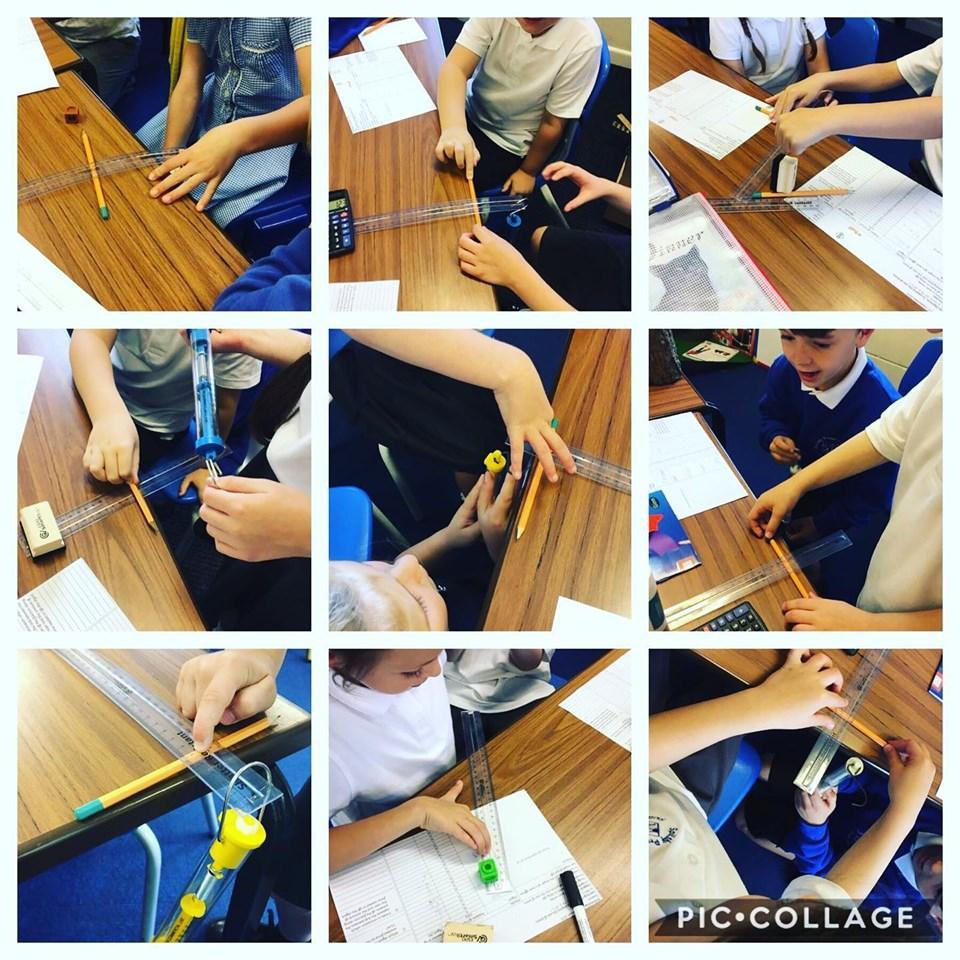
Year 3 and 4 had an amazing time at the local park yesterday! They looked at: forces used when playing parachute games; using a compass to follow directions and exploring how forces are used in the park apparatus!