Spilsby Primary Academy
Social and Emotional Well-Being
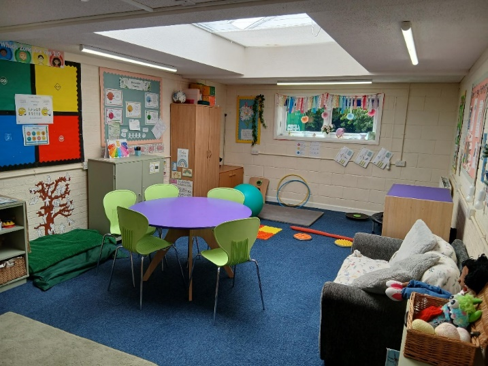
The DEN (Develop Encourage Nurture)
The Den is a calm and nurturing space where children receive pastoral, social, emotional, and mental health support in a caring and supportive environment. It provides a safe place for children to express their feelings, build confidence, and develop positive relationships.
Throughout the day, children take part in a range of supportive interventions designed to meet their individual needs. These include feelings check-ins, ELSA (emotional literacy) sessions, Lego Therapy, social skills sessions, and sensory circuits. Each activity helps children to regulate their emotions, improve communication, and strengthen their wellbeing.
The Den is an important part of our school’s commitment to supporting every child’s emotional and mental health, ensuring they feel valued, understood, and ready to learn.
Social Emotional Mental Health support in school
Miss Overton is the Pastoral Lead in school and she works alongside the children, families and staff in school to remove barriers to learning and ensure that all children have an equal opportunity to succeed and feel safe.
Thrive
The Thrive Approach is a whole-school program that supports all pupils' social and emotional development. It uses neuroscience (how the brain works) and attachment theory (how children bond with adults). We use Thrive to build emotional resilience, prevent behavioural issues, and help children feel safe and ready to learn. It uses play, creative activities, and strong relationships to help children feel safe, build confidence, and learn to manage big feelings. The goal is to prepare them for life's ups and downs.

ELSA – Emotional Literacy Support Assistant
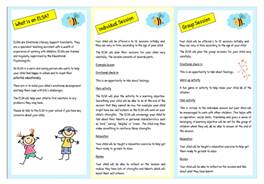
ELSA is a school-based program which is used to help children understand and manage their emotions. ELSAs provide short-term, one-on-one support to pupils struggling with anxiety, anger, loss, or social skills. Programmes usually last 6 to 12 weeks and focus on specific, measurable goals.
LEGO® Therapy
LEGO® therapy is a collaborative, play-based social skills program. Small groups of children build LEGO® models together. It helps children develop skills like sharing, listening, and problem-solving. The structured format reduces anxiety and builds confidence.
Sensory circuits
A sensory circuit is a short physical routine that helps children wake up their bodies or calm down. The programme is designed to help children self-regulate, focus and prepare their brains for learning. It always follows a specific order: alerting, organizing, and calming.


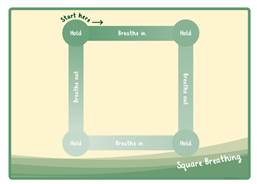
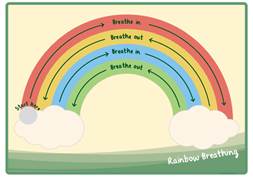
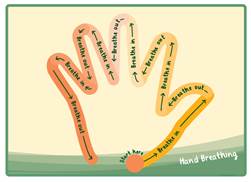
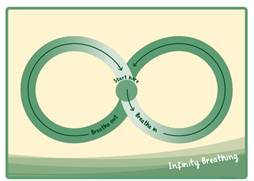
Talking Mental Health – really good video for children – would be good to have this ready to play on website if possible?
Mental Health Support Team relaxation videos
The 5 senses - YouTube – 5-4-3-2-1 grounding technique
Healthy Minds Lincolnshire- my happy place
Healthy Minds Lincolnshire - colour breathing - YouTube
Healthy Minds Lincolnshire
Healthy Minds provides emotional wellbeing support for children and young people up to 19 years old. For children, they provide evidence-based brief interventions. This will be offered as either self-help, workshops, groups or one-to-one sessions. Vulnerable children and young people will be given priority. For parents / carers, Healthy Minds will offer support and advice as part of your child/young person's sessions. They also offer online workshops and groups.
For more information, please follow the link: Healthy Minds Lincolnshire.
What is Kooth?
Kooth is an online mental healthcare service which aims to provide mental health service to individuals under the age of 21. Kooth is different from a lot of other mental healthcare services that are based online in that it allows for a variety of things that the person can do, including talking to a community, talking to a professional, and having an online journal in which they can write.
For more information and/or to access the service, click the link: Kooth
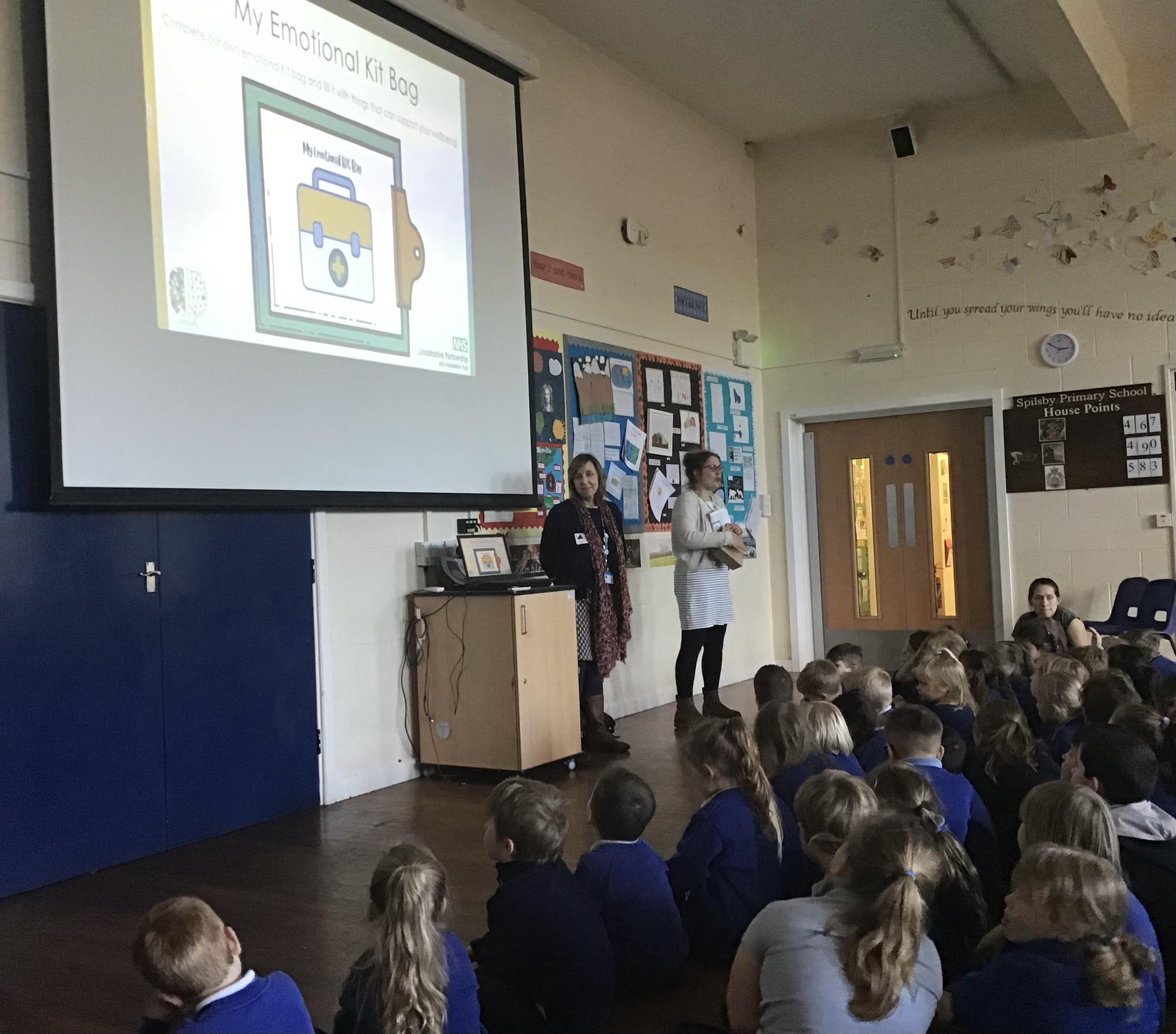
A superb Healthy Minds assembly by Colleen & Lucy. The children were so engaged & learnt the 5 Steps to Wellbeing. Brilliant, thoughtful discussions & excellent strategies to use when we’re feeling low or need to calm down
Our well-being group in action! Our children meet together at lunchtime to help develop their confidence through peer support whilst also building relationships.
During well-being lunch club, the children drew around each other, then all labelled different feelings and where they felt them.